
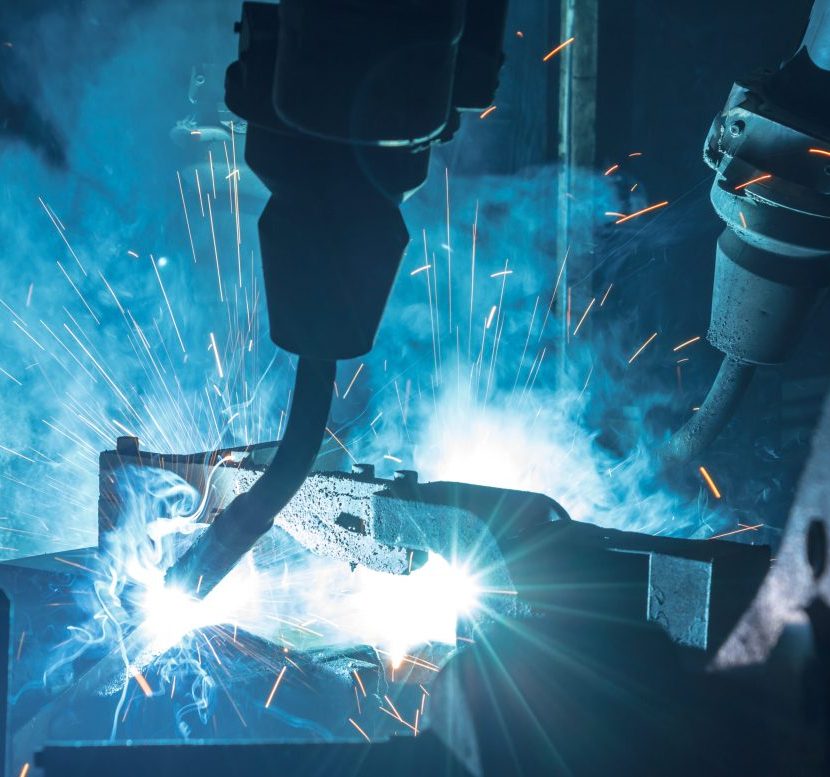
INNOVATION
Trends and technology shaping the future of manufacturing and fabrication.
Curious how new technology fits into a real production shop? See our full capabilities, or keep exploring related articles below. Capabilities
How to Evaluate New Manufacturing Technology Before Adopting It
The manufacturing industry is flooded with buzzwords: Industry 4.0, AI, digital twins, and smart factories. But how do you separate the hype from technology that will actually improve your bottom line? A practical evaluation framework is essential.
Identify the Actual Bottleneck
Never buy technology looking for a problem to solve. Start by identifying your shop's true bottlenecks. Is it machine setup time? Quality control reporting? Material handling? If a new technology doesn't directly address a documented bottleneck, it's likely a distraction rather than an innovation.
Evaluate the Learning Curve
The hidden cost of any new technology is training. A system that promises a 20% efficiency gain but requires your senior operators to spend six months learning new software may result in a net loss. Look for innovations that integrate intuitively with existing workflows or automate complex tasks without requiring a PhD to operate.
Demand Real Production Impact
When evaluating a new tool—whether it's an AI-driven QC camera or a collaborative robot (cobot)—ask for a demonstration using your actual parts and data. Theoretical efficiency gains don't pay the bills; proven reductions in cycle time, scrap rates, and setup times do.
Frequently Asked Questions
Explore Other Categories
Metal Fabrication
What it takes to design, quote, and build custom fabricated parts and assemblies.
View Articles →
Laser Cutting
How laser cutting works, what it's good for, and how to get the most out of it.
View Articles →
Reverse Engineering
Turning an existing part into usable data, drawings, and production-ready files.
View Articles →
Precision Forming
Press brake forming, tolerances, and finishing for formed metal parts.
View Articles →
Rapid Prototyping
Getting from concept to a physical part fast, before committing to full production.
View Articles →
Welding
Welding processes, techniques, and what to know before a welded assembly goes into production.
View Articles →
Engineering at Home
Fun, hands-on engineering projects and ideas for curious minds of any age.
View Articles →What's New
New equipment, new capabilities, new projects — here's what we've been building lately.
View Articles →Looking for something specific?
Stay in the Loop
Get new articles on fabrication, welding, and manufacturing sent straight to your inbox.