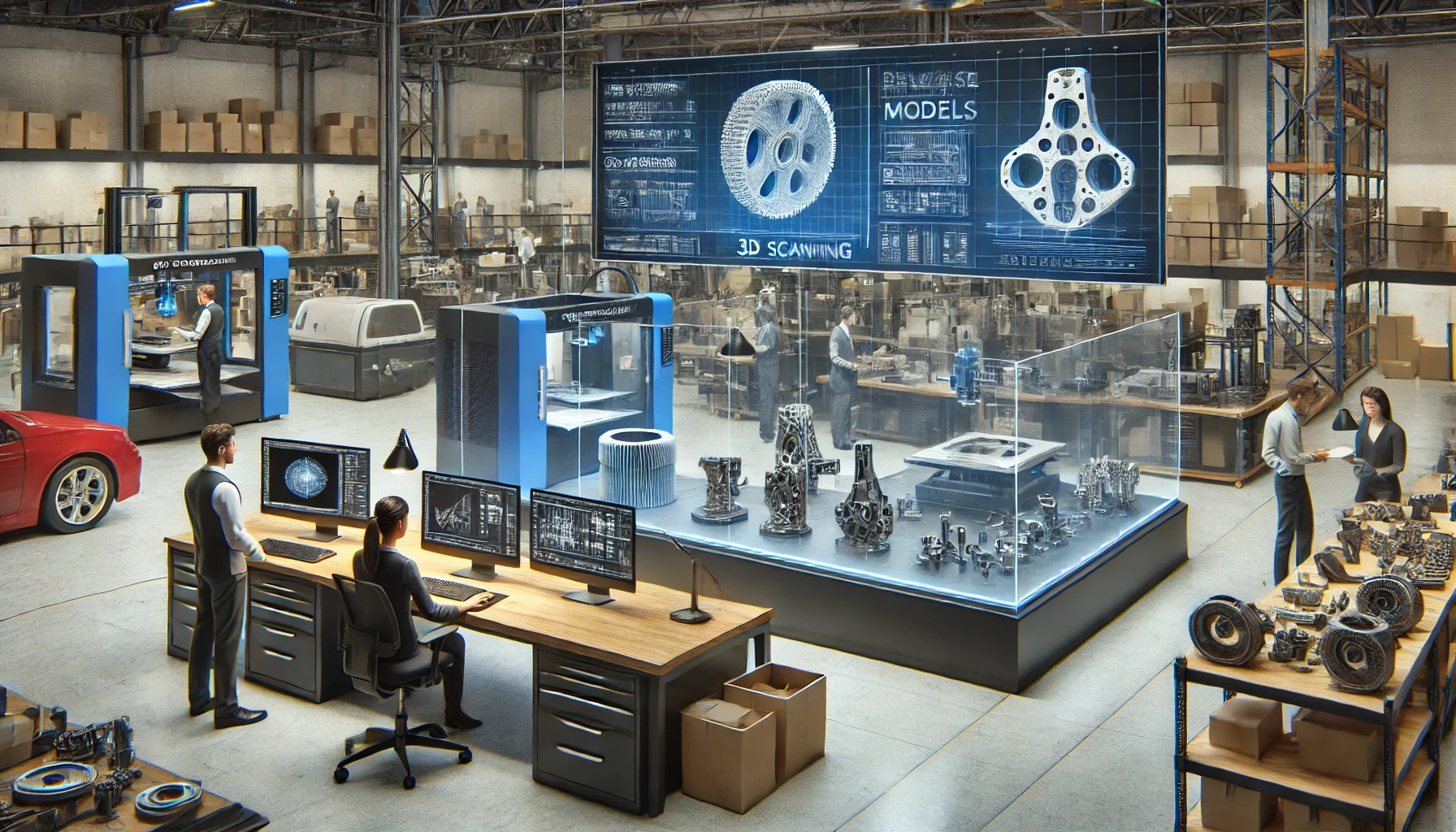
How Reverse Engineering Brings Obsolete Parts Back to Life
In the world of manufacturing, encountering obsolete parts is an all-too-common challenge. Whether it's a discontinued component or an outdated machine...
Read more →
Turning an existing part into usable data, drawings, and production-ready files.
In the world of manufacturing, encountering obsolete parts is an all-too-common challenge. Whether it's a discontinued component or an outdated machine...
Read more →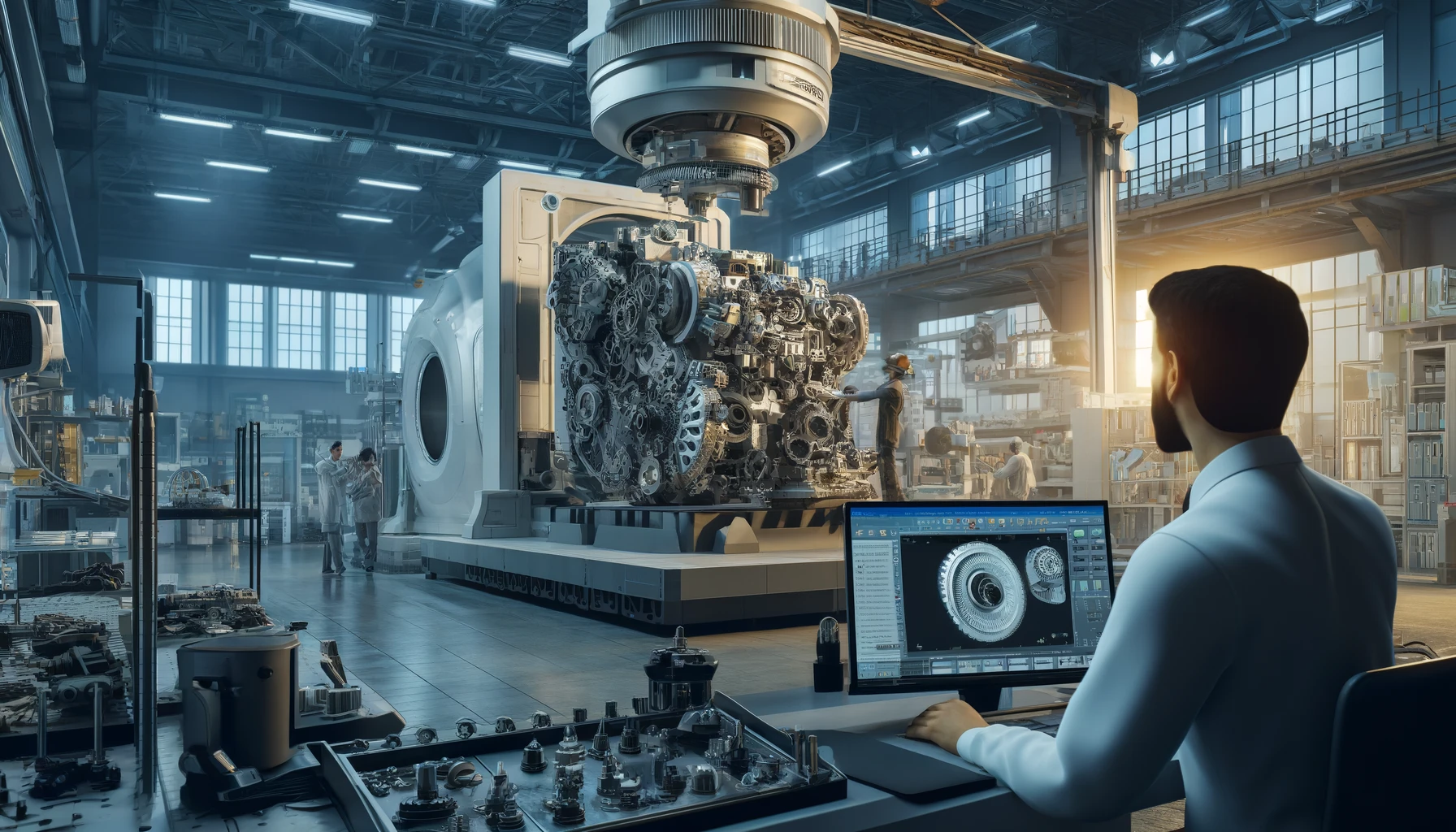
Remember the time when you had to dispose of a machine part because it was no longer in production? The frustration of not being able to find the exact...
Read more →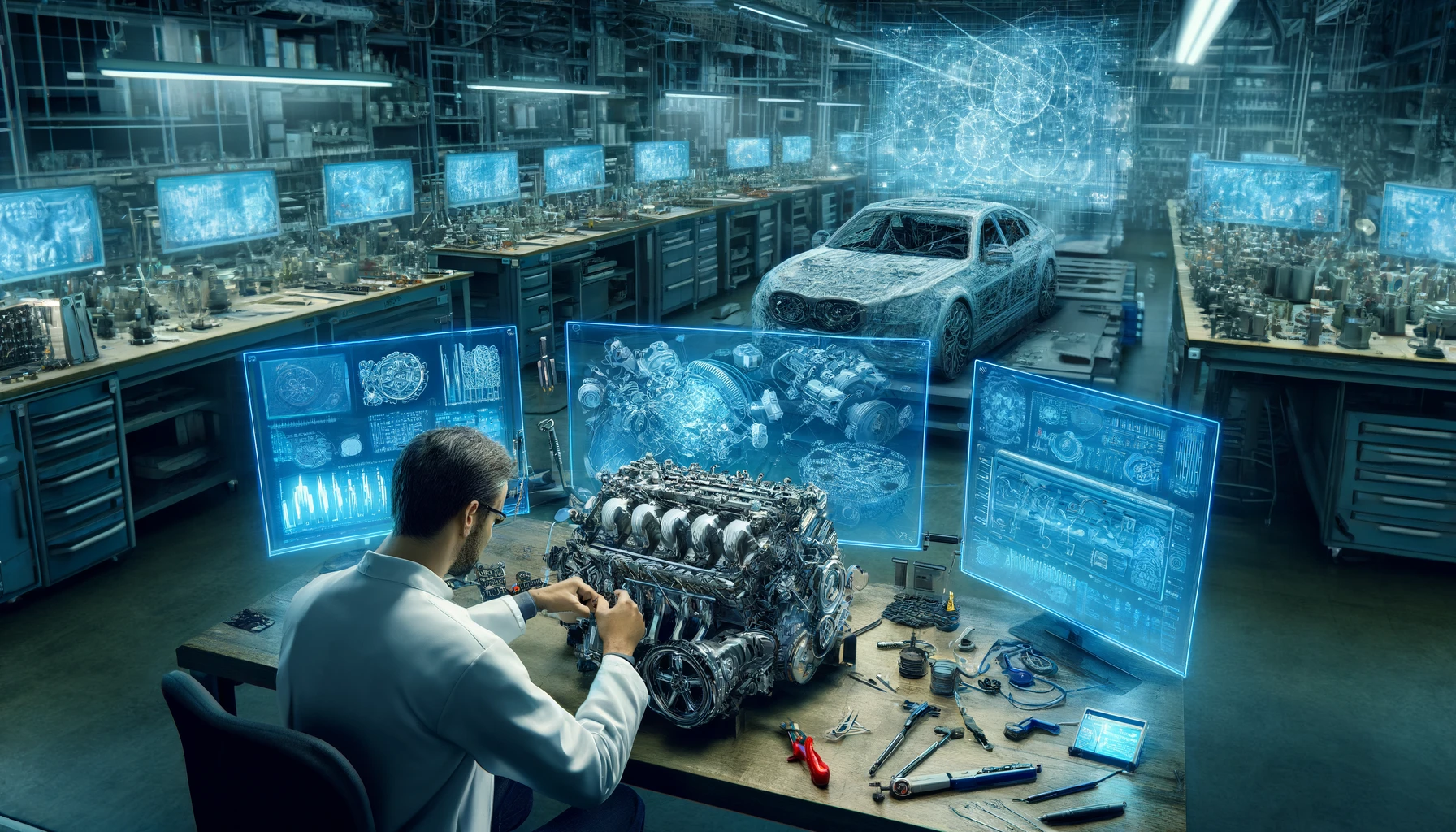
Setting off into the landscape of automotive innovation, reverse engineering stands as the beacon guiding us toward groundbreaking solutions. It’s the...
Read more →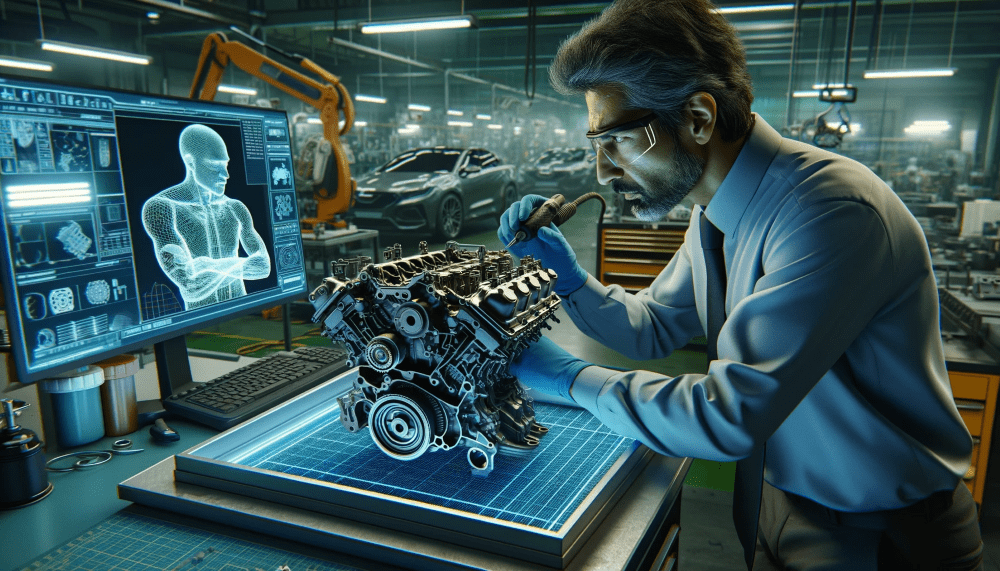
In an era where technological advancement shapes the future of industries, the automotive sector stands at the forefront, embracing "Automotive Reverse...
Read more →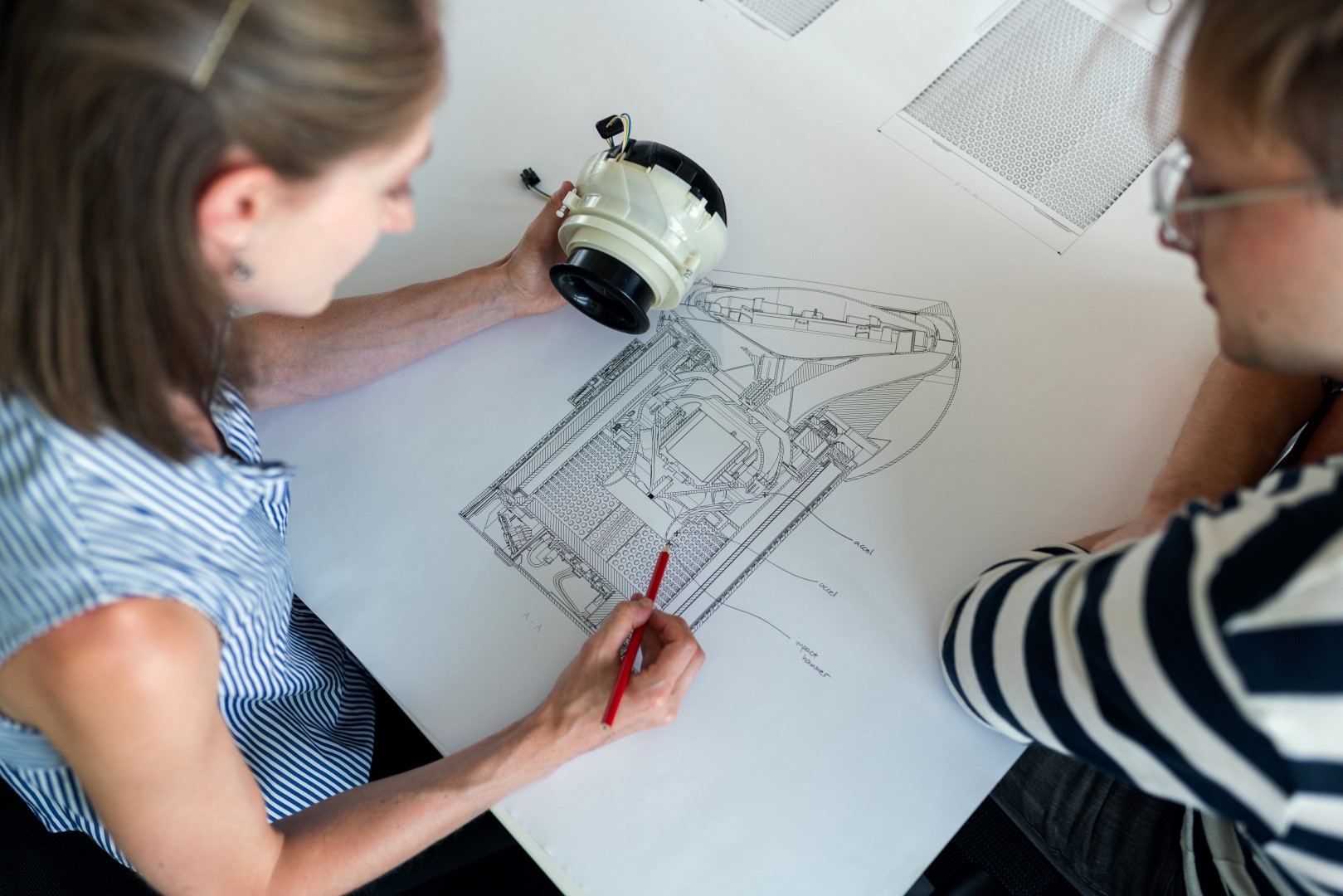
Engineering has come a long way over the years. The innovation and versatility of the industry have been highlighted with technological advances, leaving...
Read more →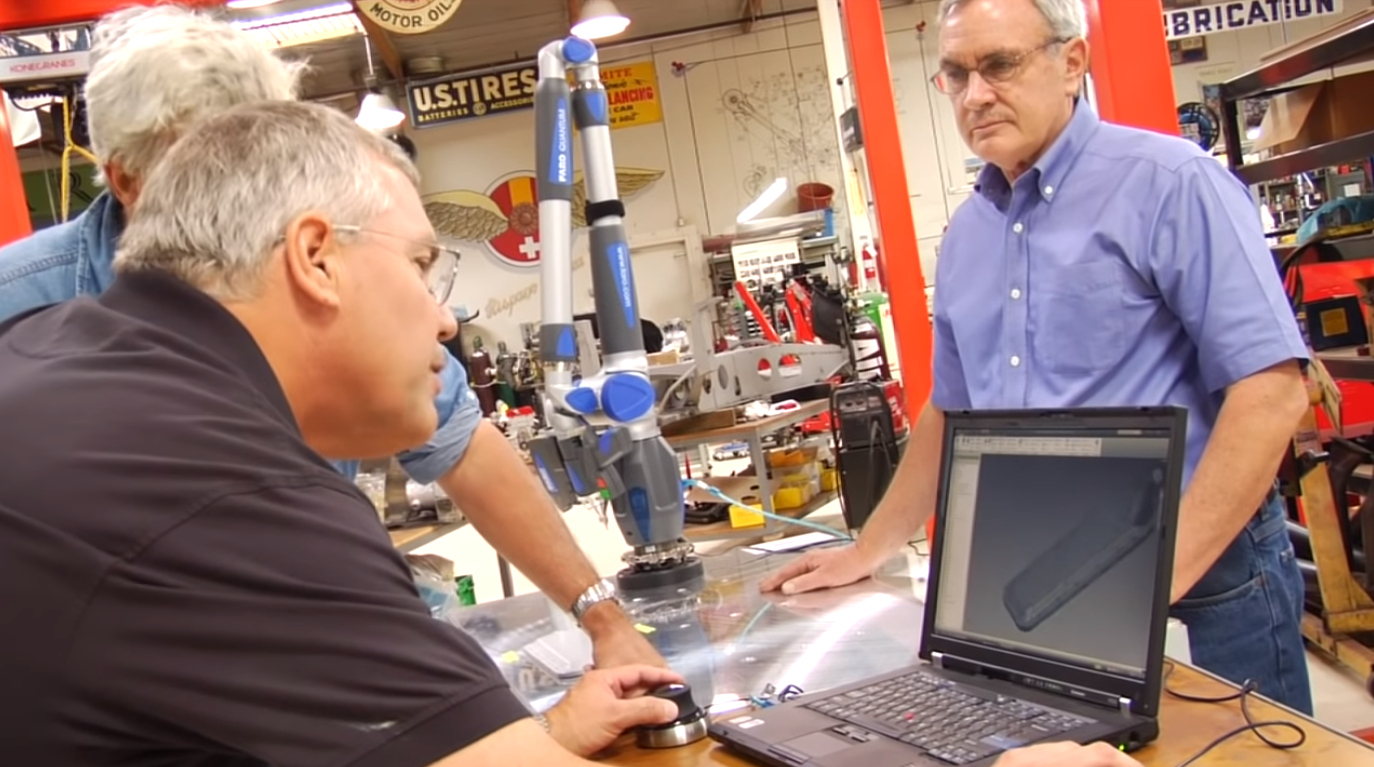
Reverse engineering is a process that helps you take existing models, parts, and assemblies and generate 3D data that can be manipulated and reproduced....
Read more →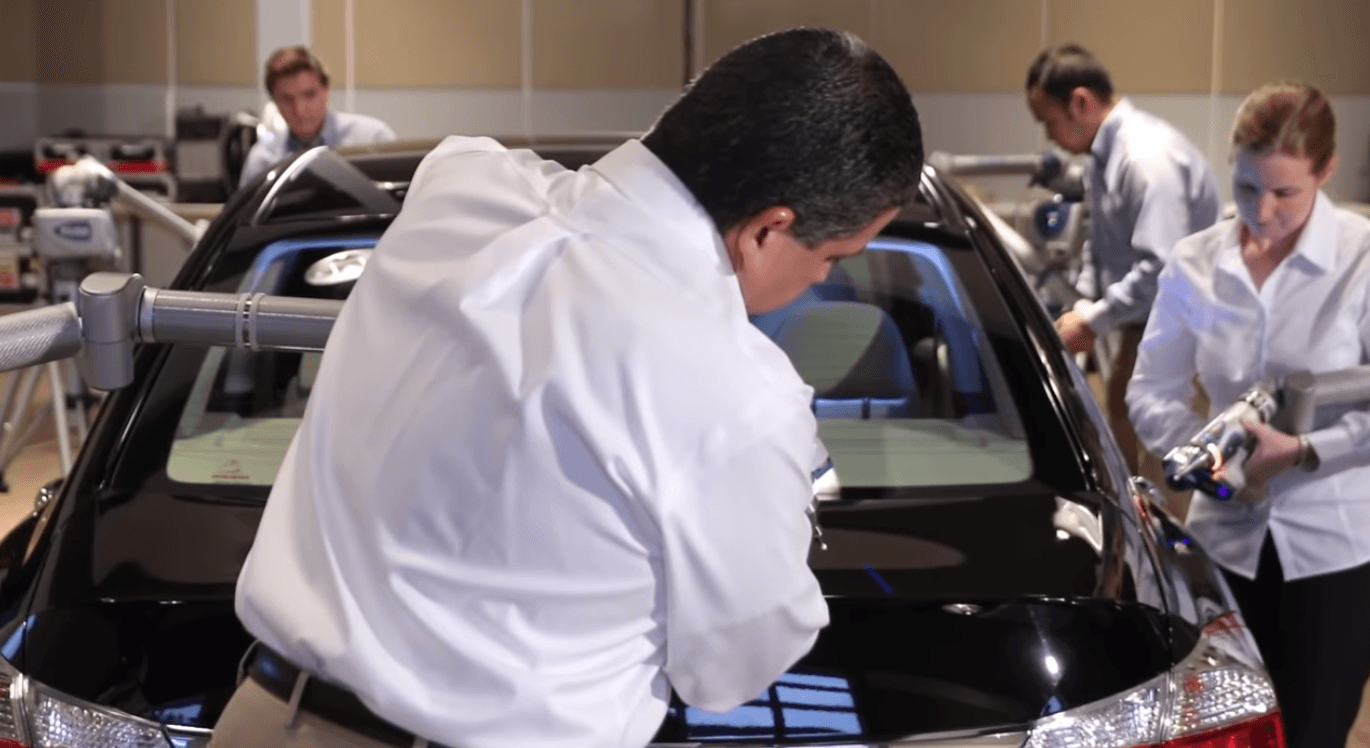
Reverse engineering is a process that lets you take parts, existing models, and assemblies and use them to generate 3D data. The scanned data can then be...
Read more →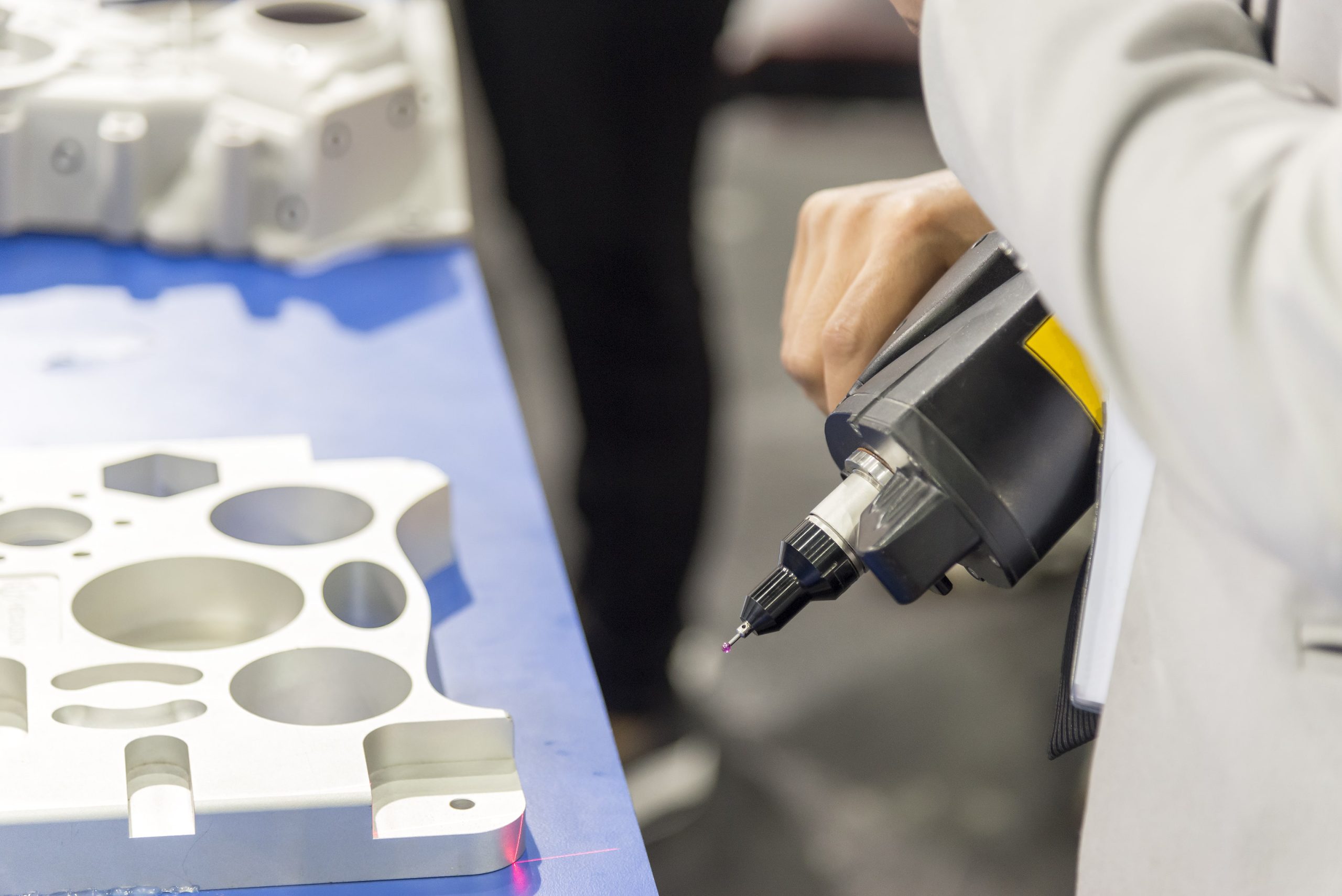
With the advances in technology, many people think that reverse engineering is as simple as doing a quick scan and receiving a complete 3D CAD model the...
Read more →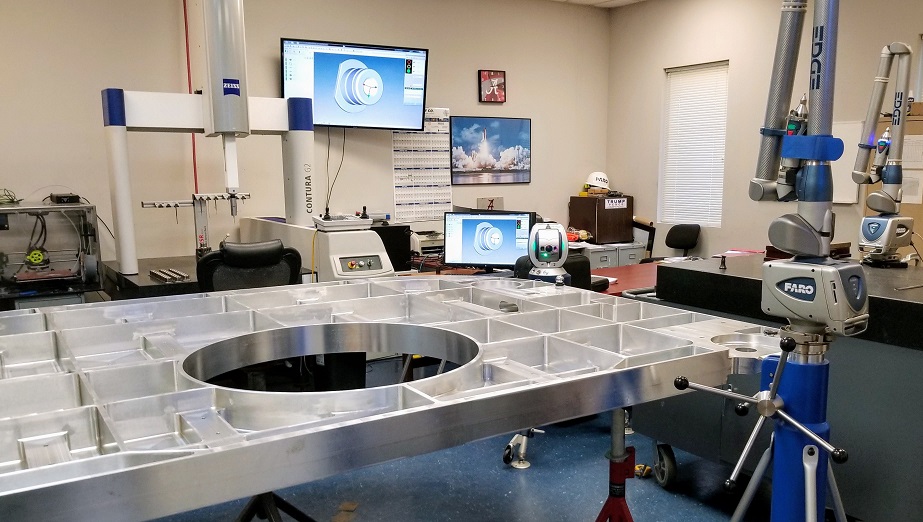
Reverse engineering is the process of duplicating an existing component, subassembly, or product without having the original drawings, documentation, or...
Read more →Have an obsolete part or an existing design you need reproduced? See what our Reverse Engineering, Inspection, and Rapid Prototyping team can do, or keep exploring related articles below. Reverse Engineering, Inspection, and Rapid Prototyping
Reverse engineering is a powerful tool, but it's not always the right first step. Knowing when to reverse engineer an existing part versus starting a fresh design can save significant time and money.
A part is a prime candidate for reverse engineering when the original equipment manufacturer (OEM) is out of business, the part is obsolete, or no CAD drawings exist. It's also ideal when you need to design a new component that must mate perfectly with complex, existing geometry where manual measurement would be inaccurate.
If the existing part has known flaws, fails frequently, or was designed for a manufacturing process you don't intend to use (like a cast part you want to machine), reverse engineering will just copy those flaws. In these cases, it's better to extract the critical mounting dimensions and redesign the part for better performance and manufacturability.
Often, the best approach is hybrid: we scan the existing part to capture its complex mounting interfaces, then modify the resulting CAD model to improve strength, reduce weight, or adapt it for a new function.
What it takes to design, quote, and build custom fabricated parts and assemblies.
View Articles →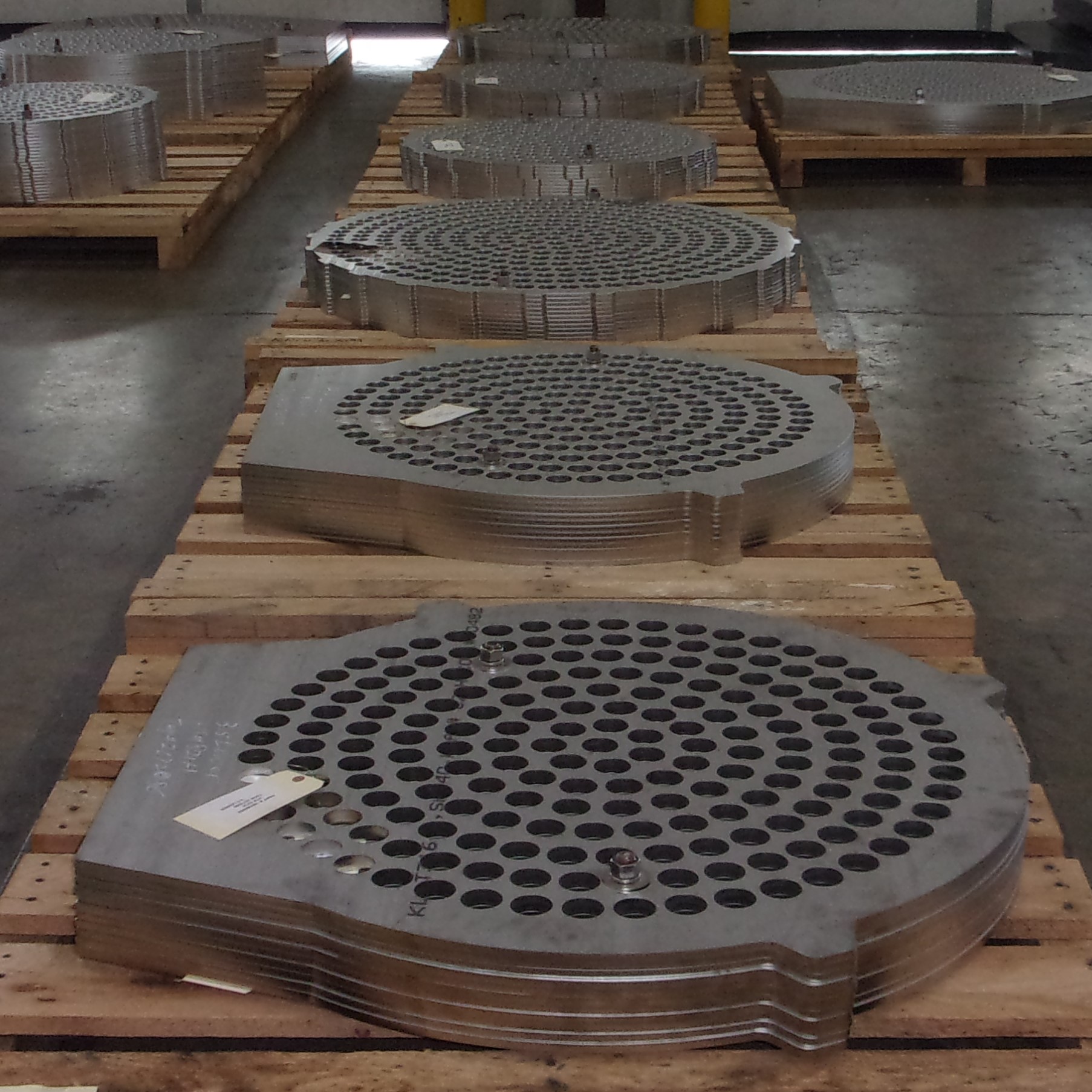
How laser cutting works, what it's good for, and how to get the most out of it.
View Articles →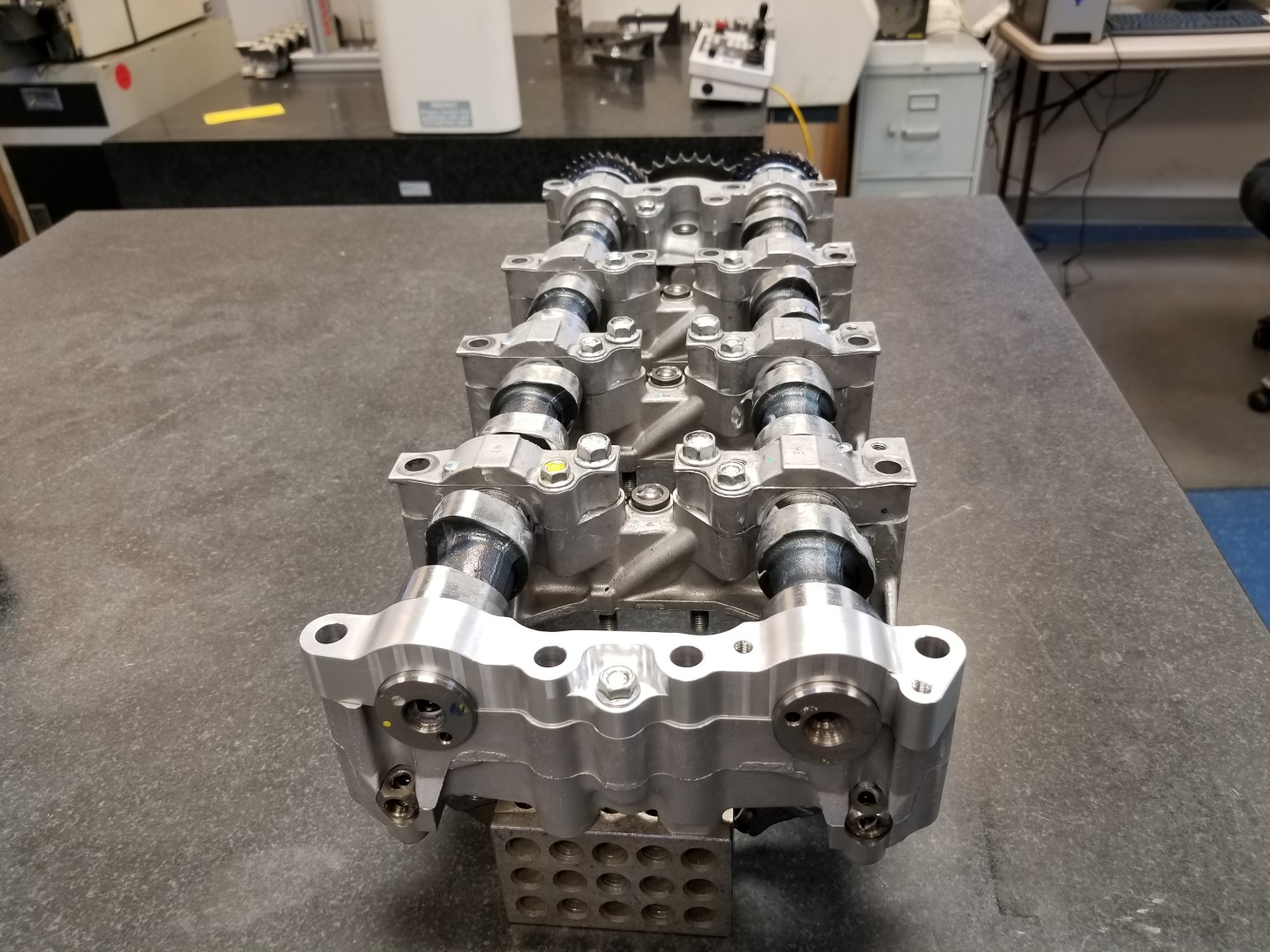
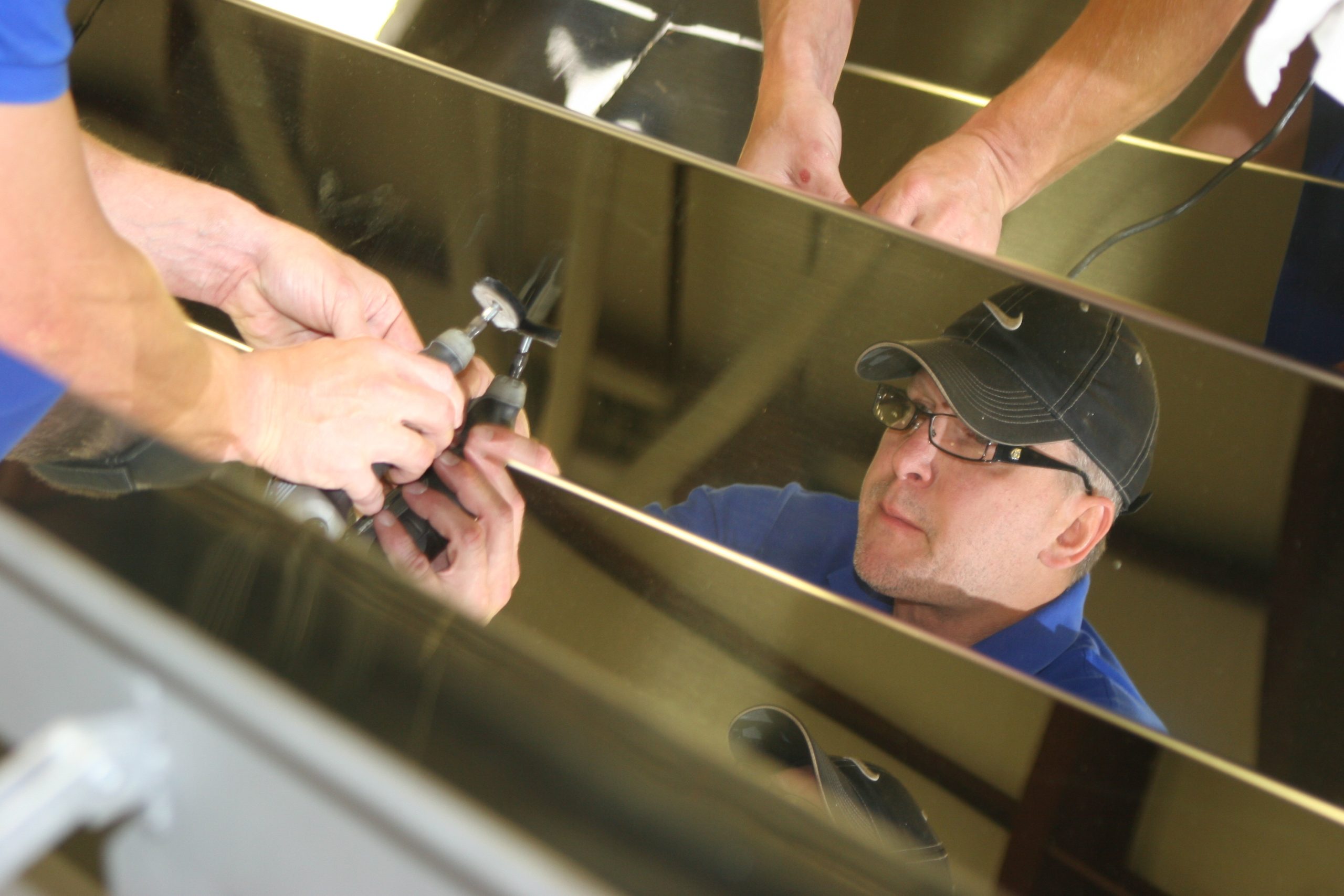
Press brake forming, tolerances, and finishing for formed metal parts.
View Articles →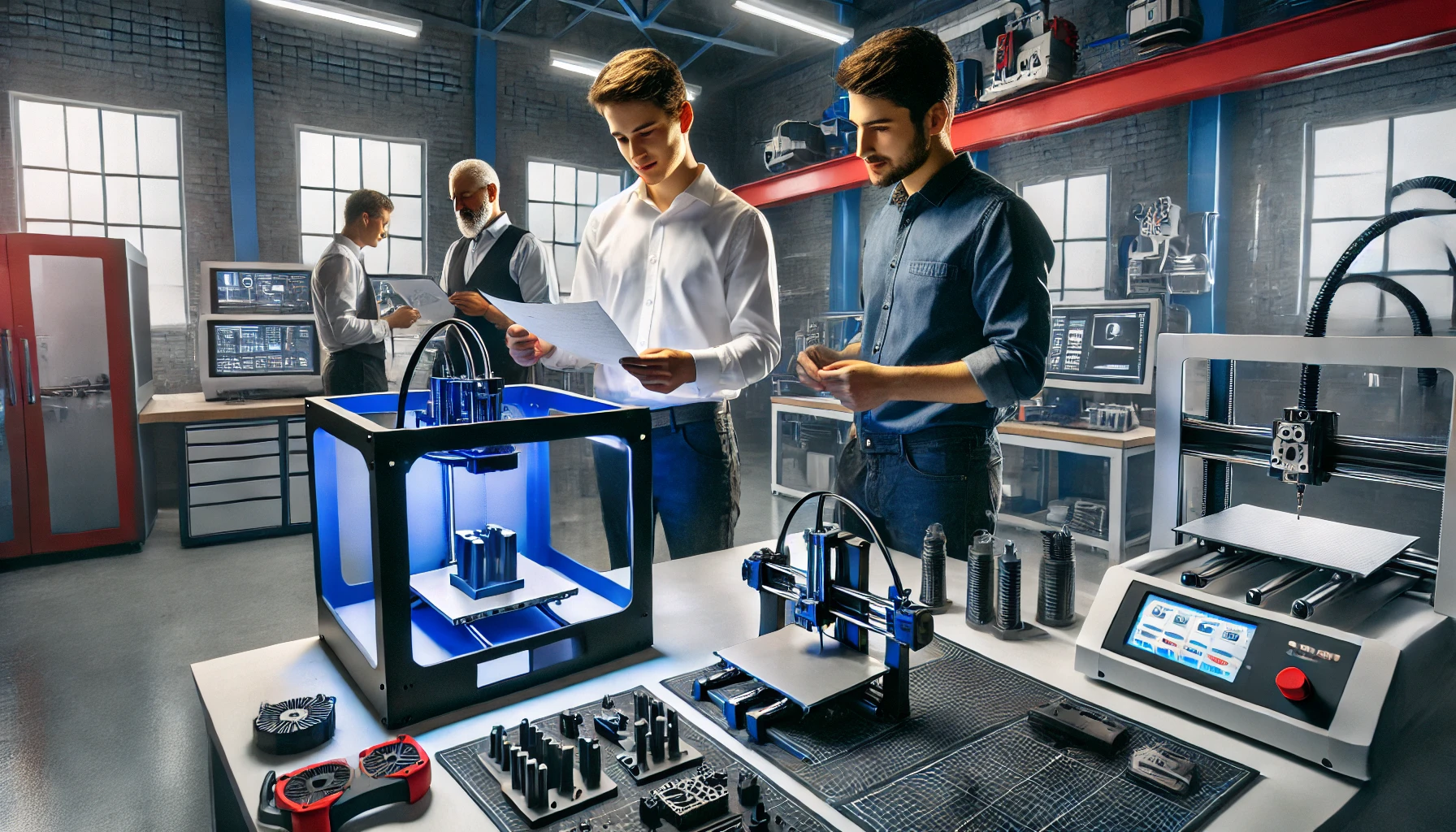
Getting from concept to a physical part fast, before committing to full production.
View Articles →
Welding processes, techniques, and what to know before a welded assembly goes into production.
View Articles →

Fun, hands-on engineering projects and ideas for curious minds of any age.
View Articles →New equipment, new capabilities, new projects — here's what we've been building lately.
View Articles →Get new articles on fabrication, welding, and manufacturing sent straight to your inbox.