RAPID PROTOTYPING
Getting from concept to a physical part fast, before committing to full production.
Ready to move from concept to a physical prototype? See what our Reverse Engineering, Inspection, and Rapid Prototyping team can do — including rapid prototyping — or keep exploring related articles below. Reverse Engineering, Inspection, and Rapid Prototyping
Prototype vs. Production Part: What Actually Changes
A prototype proves a concept; a production part proves a business model. Transitioning from a one-off prototype to a full production run almost always requires design adjustments to make the part scalable, cost-effective, and consistently manufacturable.
Material Substitutions
Prototypes are often machined from solid billet or 3D printed for speed. In production, that same part might need to be cast, stamped, or fabricated from sheet metal to meet cost targets. Designing your prototype with the final production method in mind prevents you from having to completely re-engineer the part later.
Relaxing Tolerances
Engineers often specify extremely tight tolerances on prototypes "just to be safe." In production, holding those tight tolerances across thousands of parts drives up costs exponentially. A key part of the transition is identifying which tolerances are critical to function and which can be relaxed to standard manufacturing tolerances.
Finish and Assembly Adjustments
A prototype might be hand-finished or assembled using specialized hardware. Production requires standardized finishes (like batch powder coating) and design adjustments (like replacing tapped holes with PEM inserts) to speed up assembly time on the floor.
Frequently Asked Questions
Explore Other Categories
Metal Fabrication
What it takes to design, quote, and build custom fabricated parts and assemblies.
View Articles →
Laser Cutting
How laser cutting works, what it's good for, and how to get the most out of it.
View Articles →
Reverse Engineering
Turning an existing part into usable data, drawings, and production-ready files.
View Articles →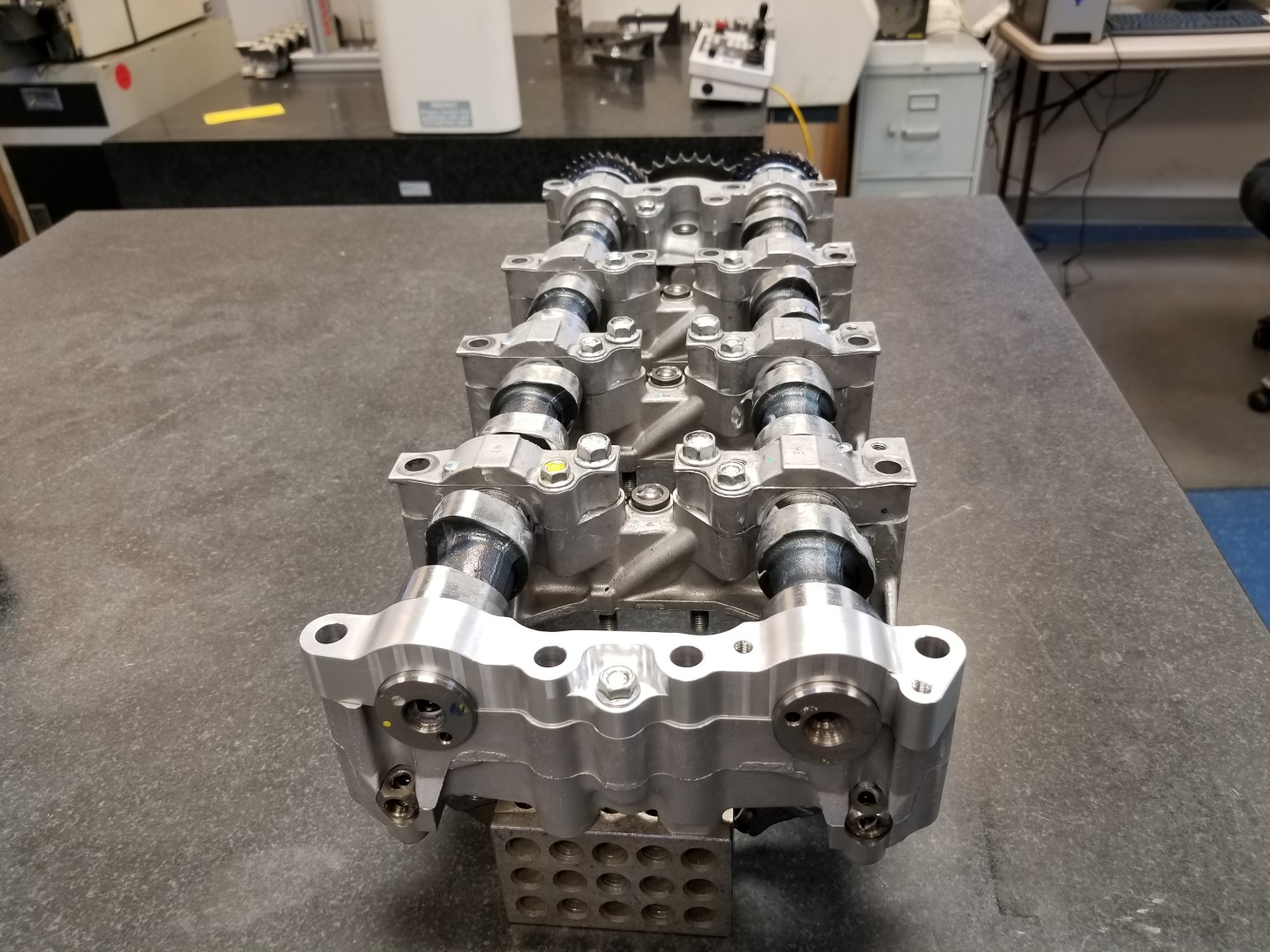
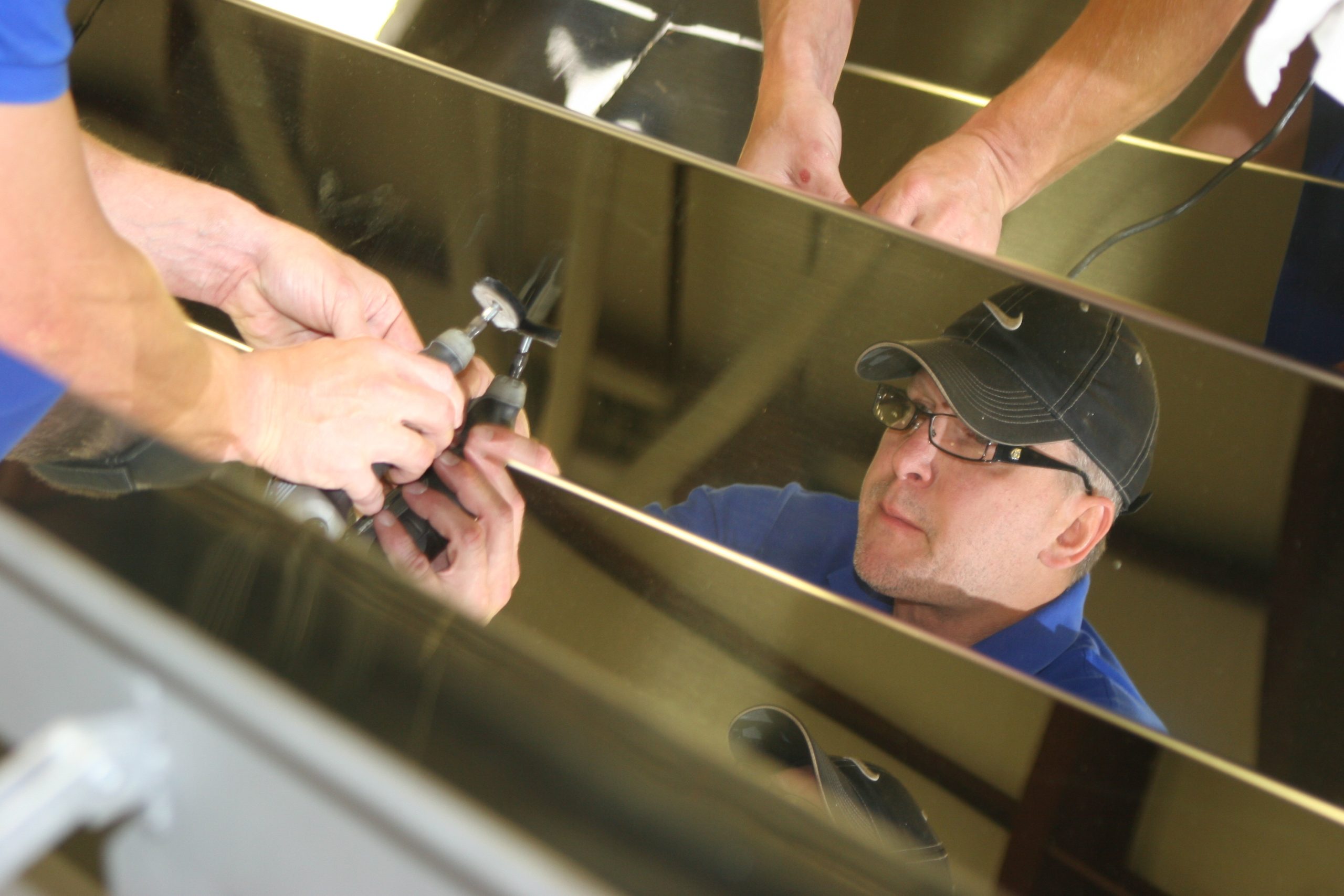
Precision Forming
Press brake forming, tolerances, and finishing for formed metal parts.
View Articles →
Welding
Welding processes, techniques, and what to know before a welded assembly goes into production.
View Articles →

Engineering at Home
Fun, hands-on engineering projects and ideas for curious minds of any age.
View Articles →What's New
New equipment, new capabilities, new projects — here's what we've been building lately.
View Articles →Looking for something specific?
Stay in the Loop
Get new articles on fabrication, welding, and manufacturing sent straight to your inbox.