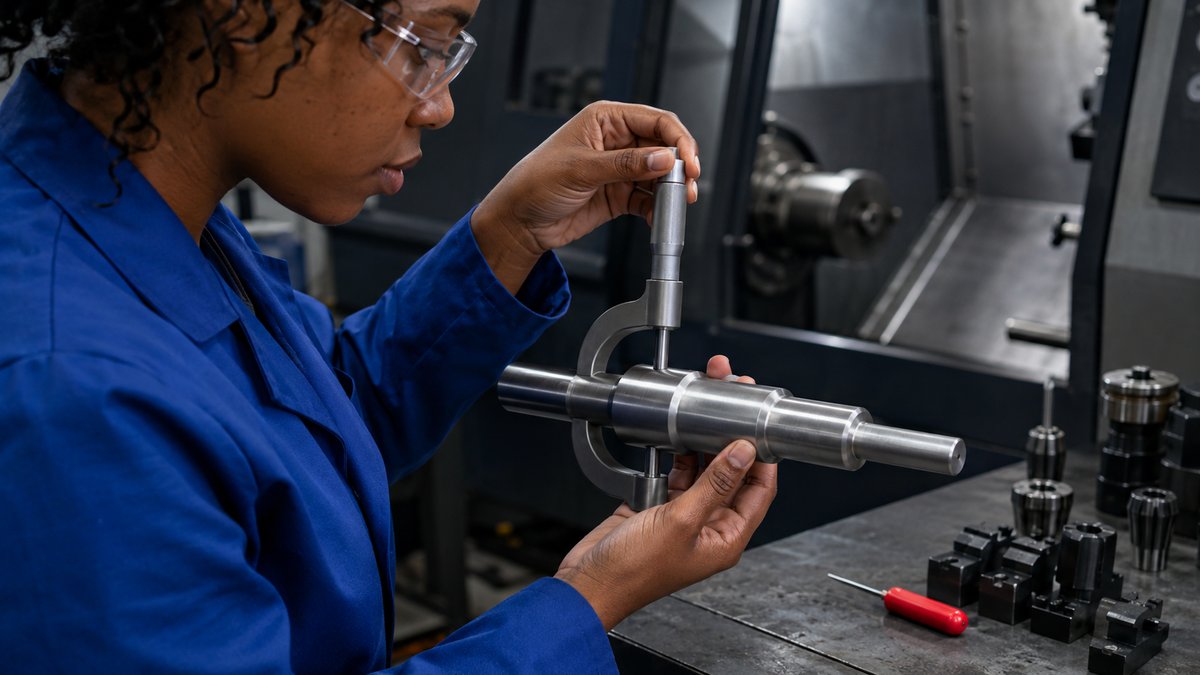
CNC Turning Design Rules That Cut Cost and Setups
Seven CNC turning design rules that reveal which features on your drawing quietly add a setup, a special tool or a support requirement.
Read more →
What it takes to design, quote, and build custom fabricated parts and assemblies.
Seven CNC turning design rules that reveal which features on your drawing quietly add a setup, a special tool or a support requirement.
Read more →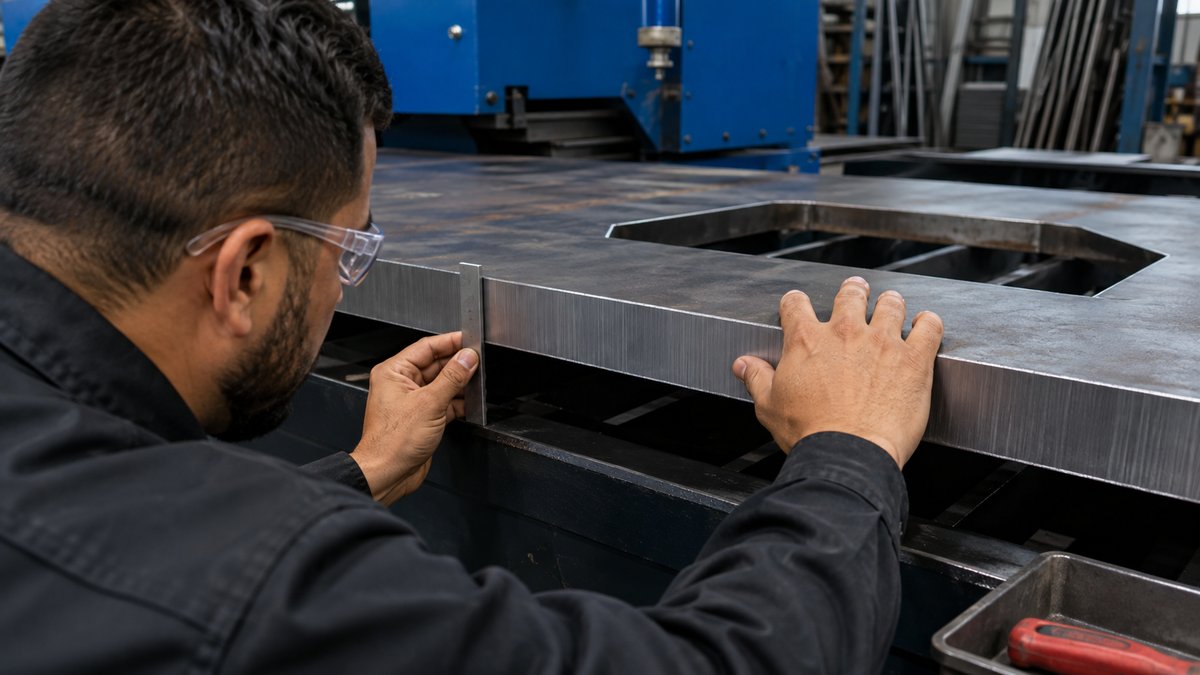
What a plasma edge carries on thick plate: taper, dross, roughness and heat, plus which faces need machining stock before you send the drawing.
Read more →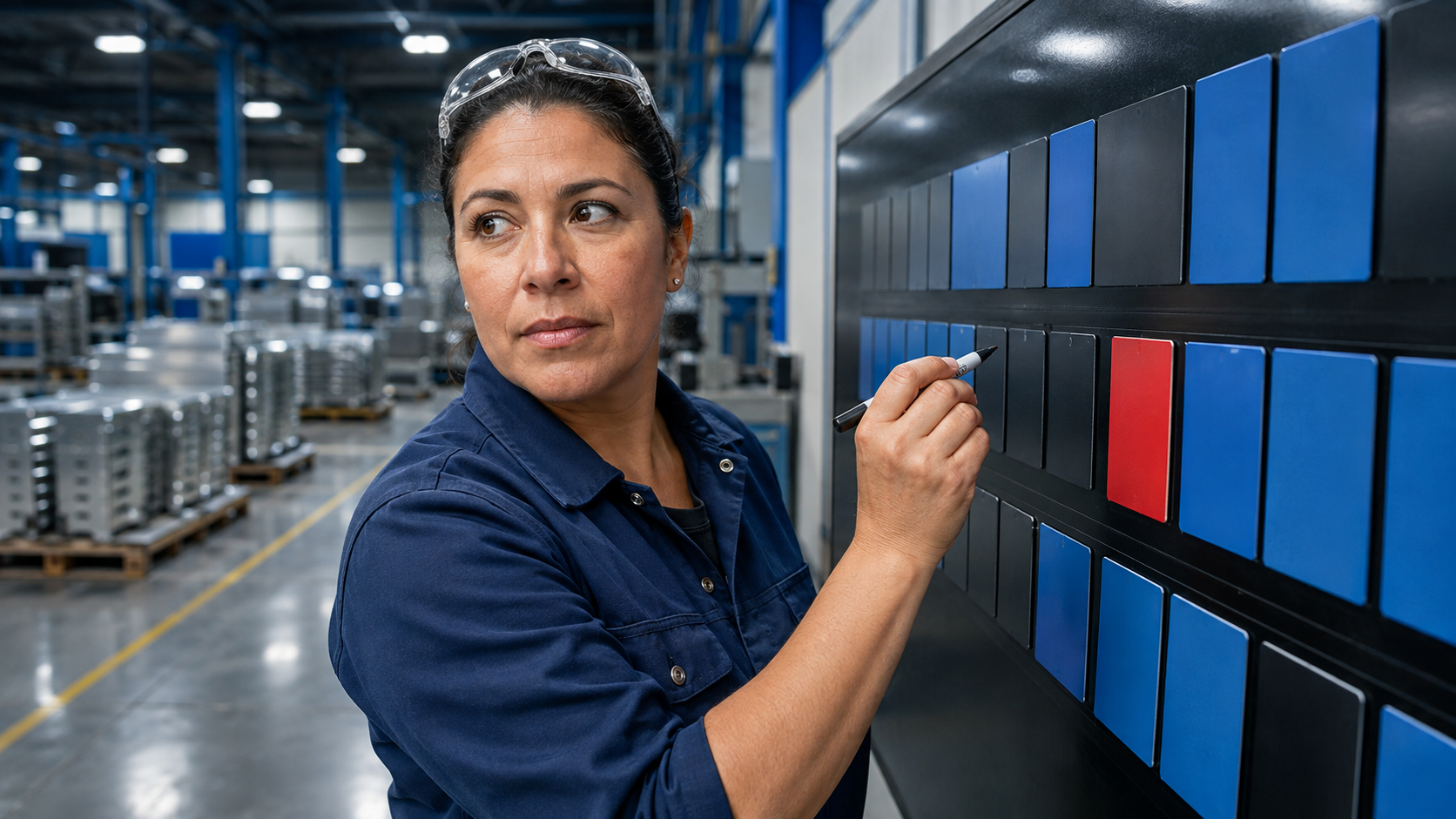
Fabrication lead time explained: why queue time beats cycle time, how material and design choices add weeks, and five ways to compress it.
Read more →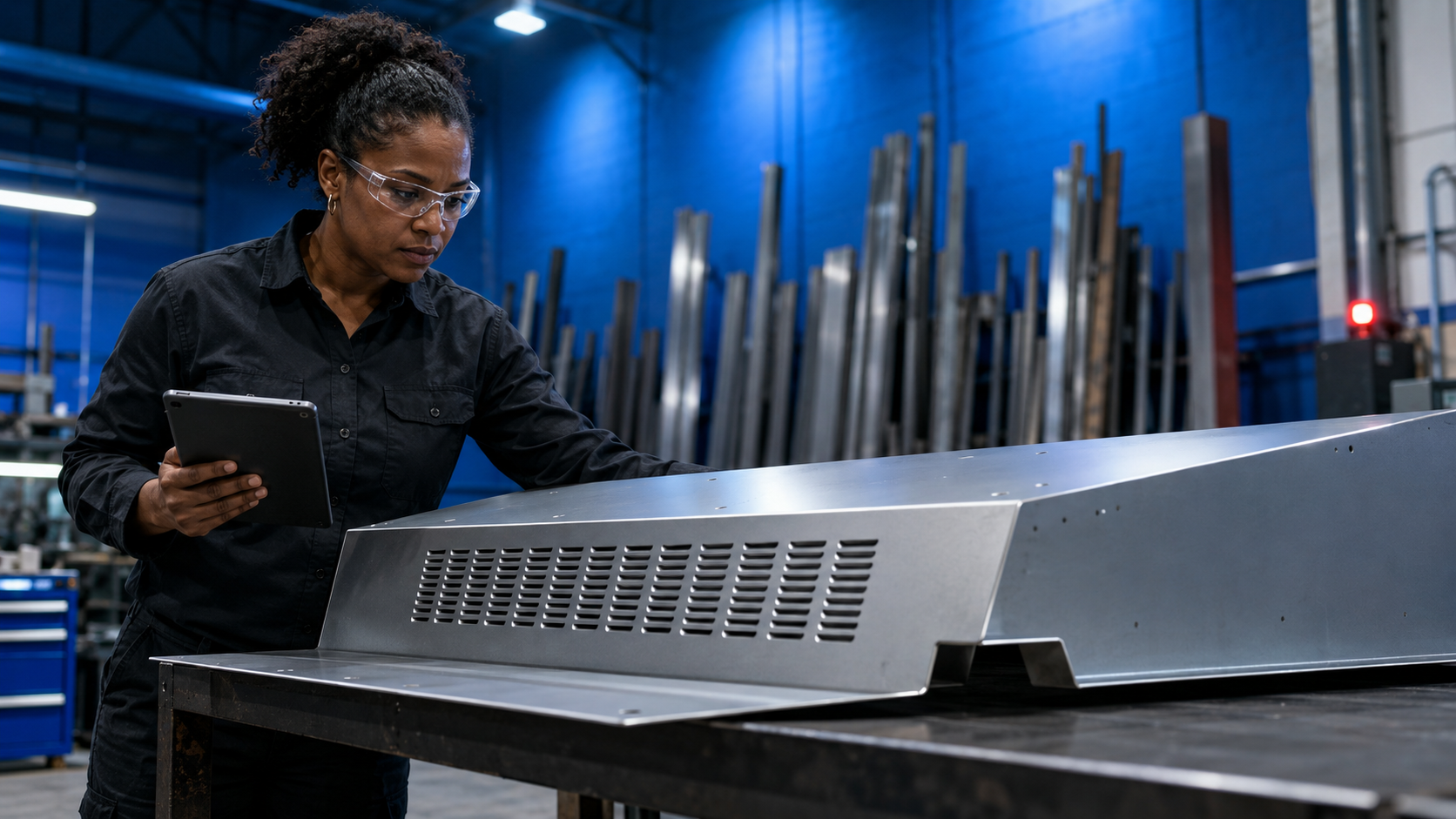
Data center metal fabrication explained: containment, racking, cable trays, and liquid cooling hardware, plus what to look for in a partner.
Read more →
Considering reshoring metal fabrication? Weigh total cost of ownership, speed, resilience, and challenges before bringing production home.
Read more →
Why dissimilar metals corrode when they touch and how to prevent galvanic corrosion with material choice, electrical isolation, and moisture control.
Read more →
Metal parts fail at their surfaces first. Corrosion creeps in at edges, wear starts at contact points, and adhesion breaks down under the wrong...
Read more →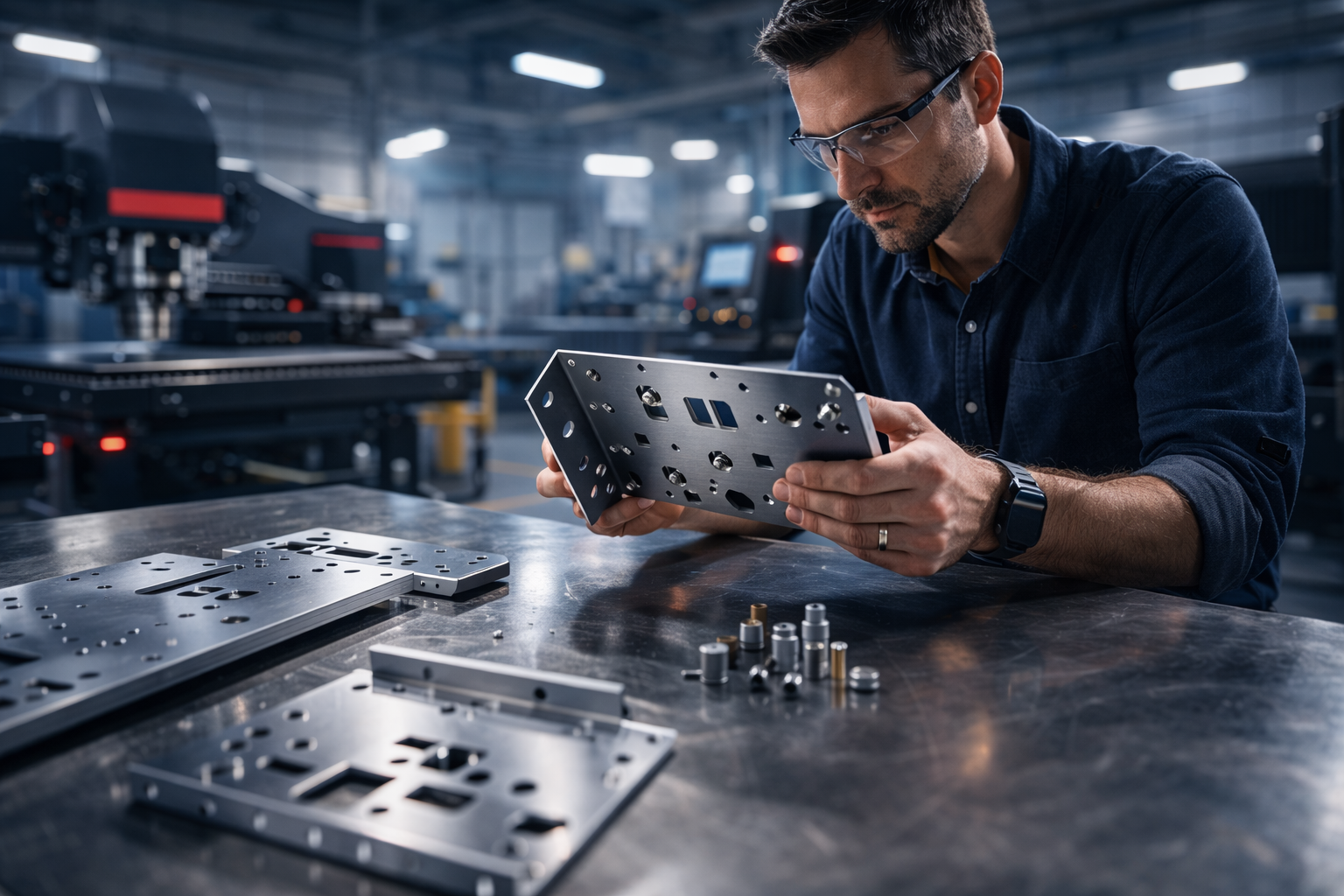
You've designed a clean sheet metal enclosure. The geometry is solid, the bends are right, the material is spec'd. Then assembly starts — and you realize...
Read more →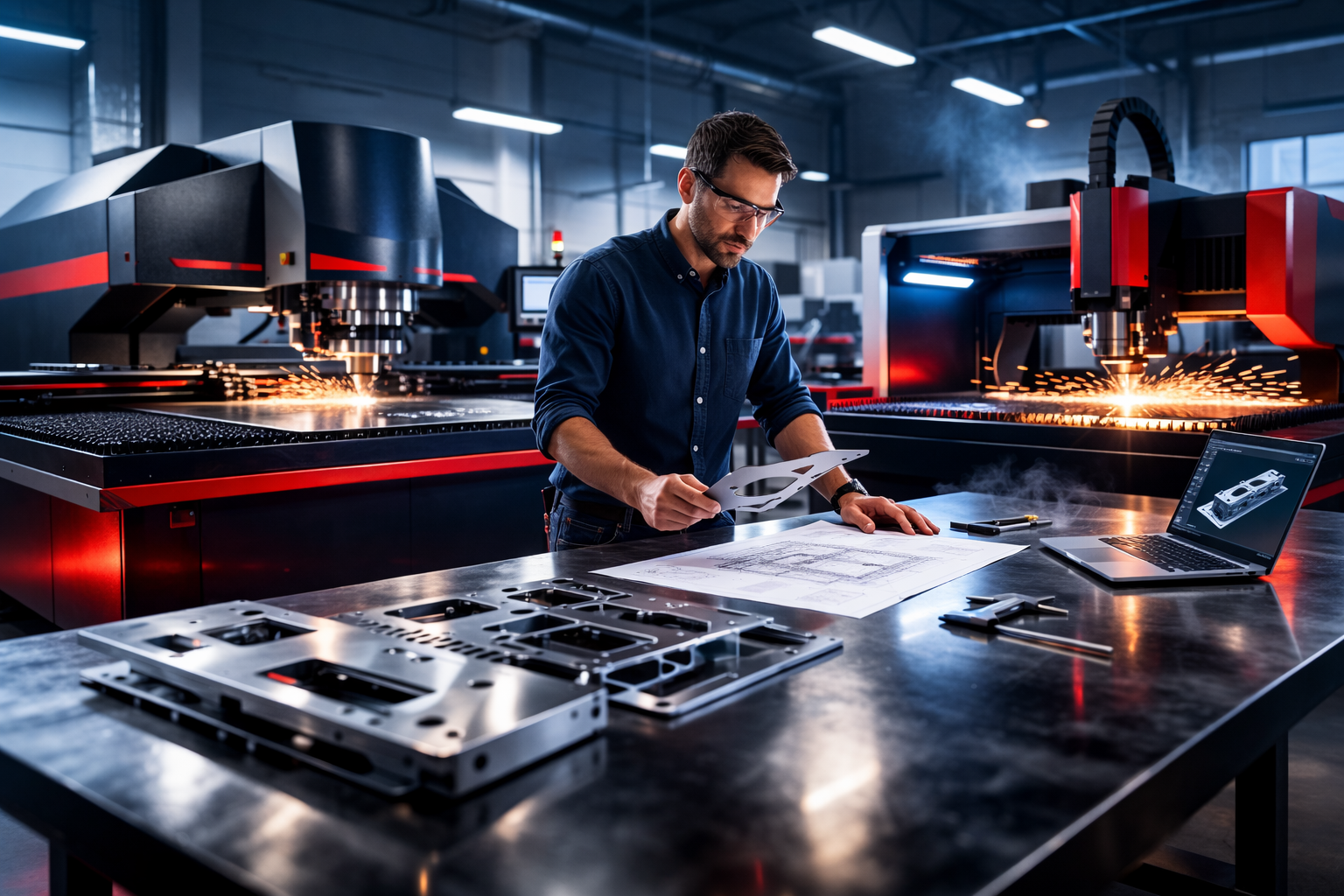
Choosing the wrong cutting process can cost you — in scrap material, rework, or production delays that throw your whole timeline off. Two of the most...
Read more →Have a fabrication project in mind? See what our Custom Fabrication team can do, or keep exploring related articles below. Custom Fabrication
One of the most common decisions engineers and product designers face is whether to specify an off-the-shelf (COTS) component or invest in custom metal fabrication. While stock parts offer immediate availability and lower unit costs at low volumes, custom fabrication provides exact specifications and optimized performance.
Stock components are manufactured to general tolerances that suit a wide range of applications. If your assembly requires tight tolerances to function correctly, modifying a stock part often introduces more variability and cost than fabricating it from scratch. Custom fabrication ensures the part is designed specifically for your assembly's tolerance stack-up from day one.
Off-the-shelf brackets, enclosures, and structural members are typically available in mild steel, 304 stainless, or 5052 aluminum. If your application demands specific corrosion resistance, weight reduction, or thermal properties requiring specialty alloys (like 316L stainless, chromoly, or specific aluminum tempers), custom fabrication is usually the only viable path.
For prototypes and runs under 50 units, modifying COTS parts might seem economical. However, as volume scales, the labor cost of secondary operations (drilling new holes, cutting to size, re-finishing) quickly outpaces the setup costs of custom fabrication. A custom part designed for manufacturability can drastically reduce assembly time and overall unit cost at scale.
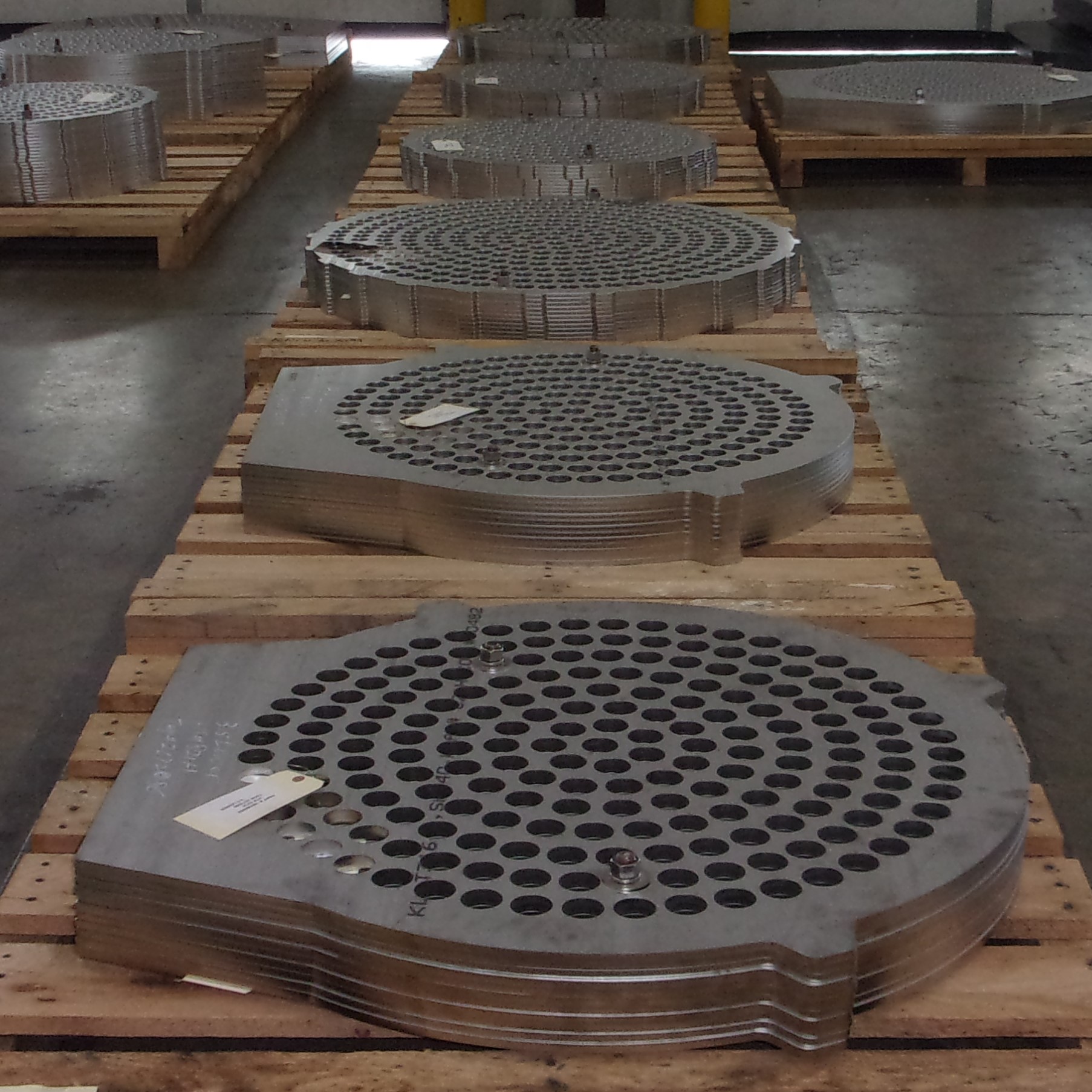
How laser cutting works, what it's good for, and how to get the most out of it.
View Articles →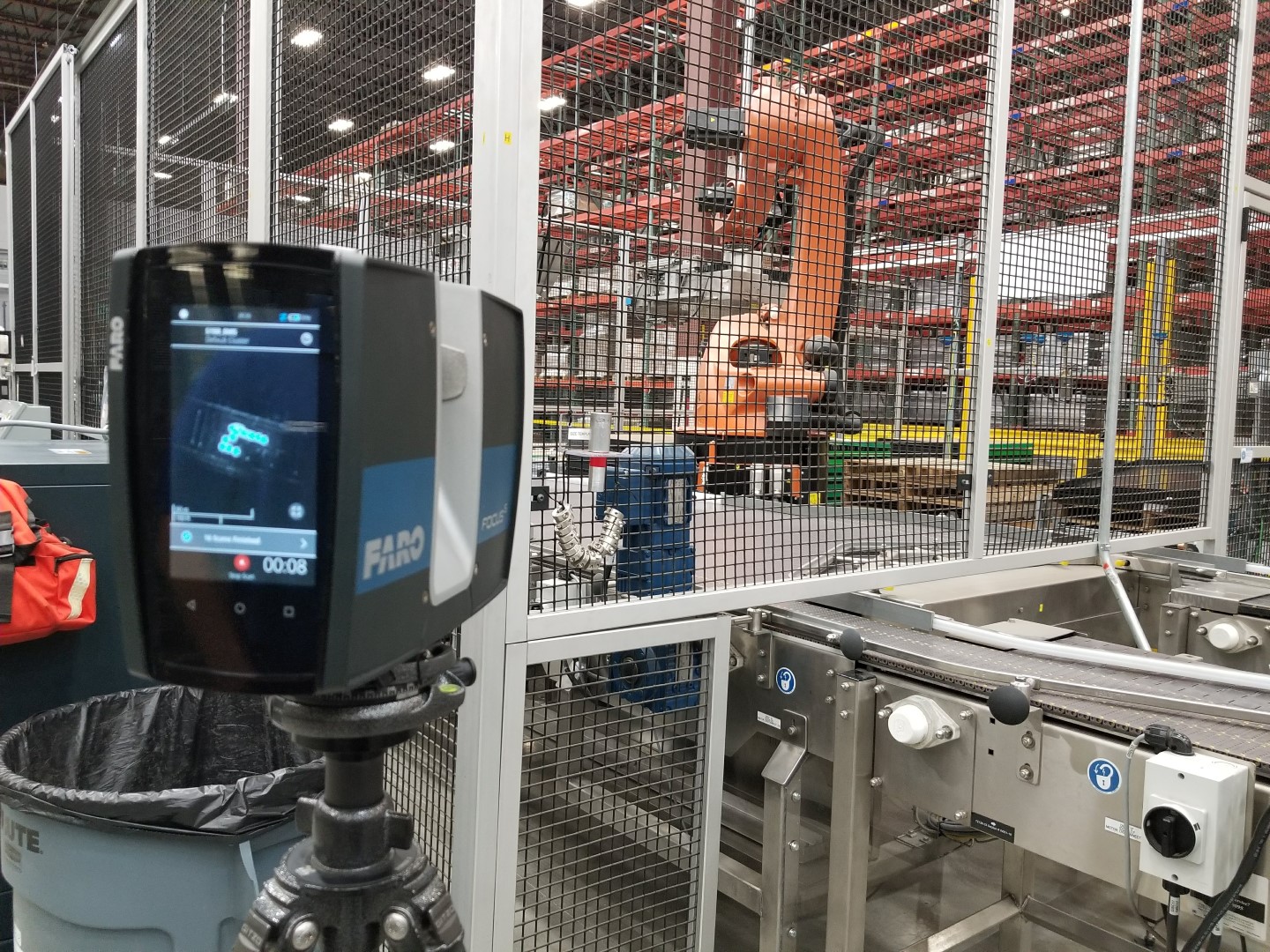
Turning an existing part into usable data, drawings, and production-ready files.
View Articles →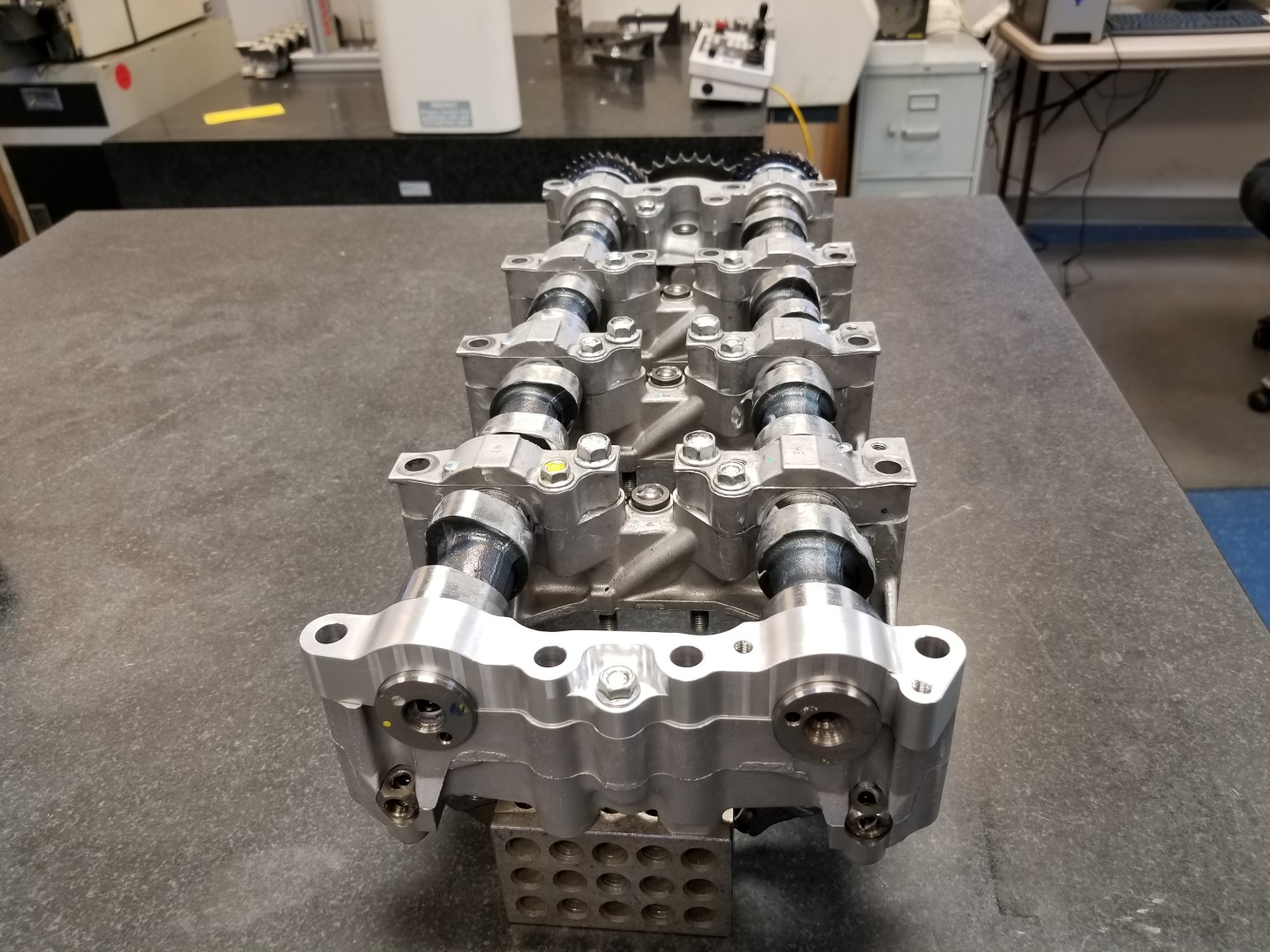
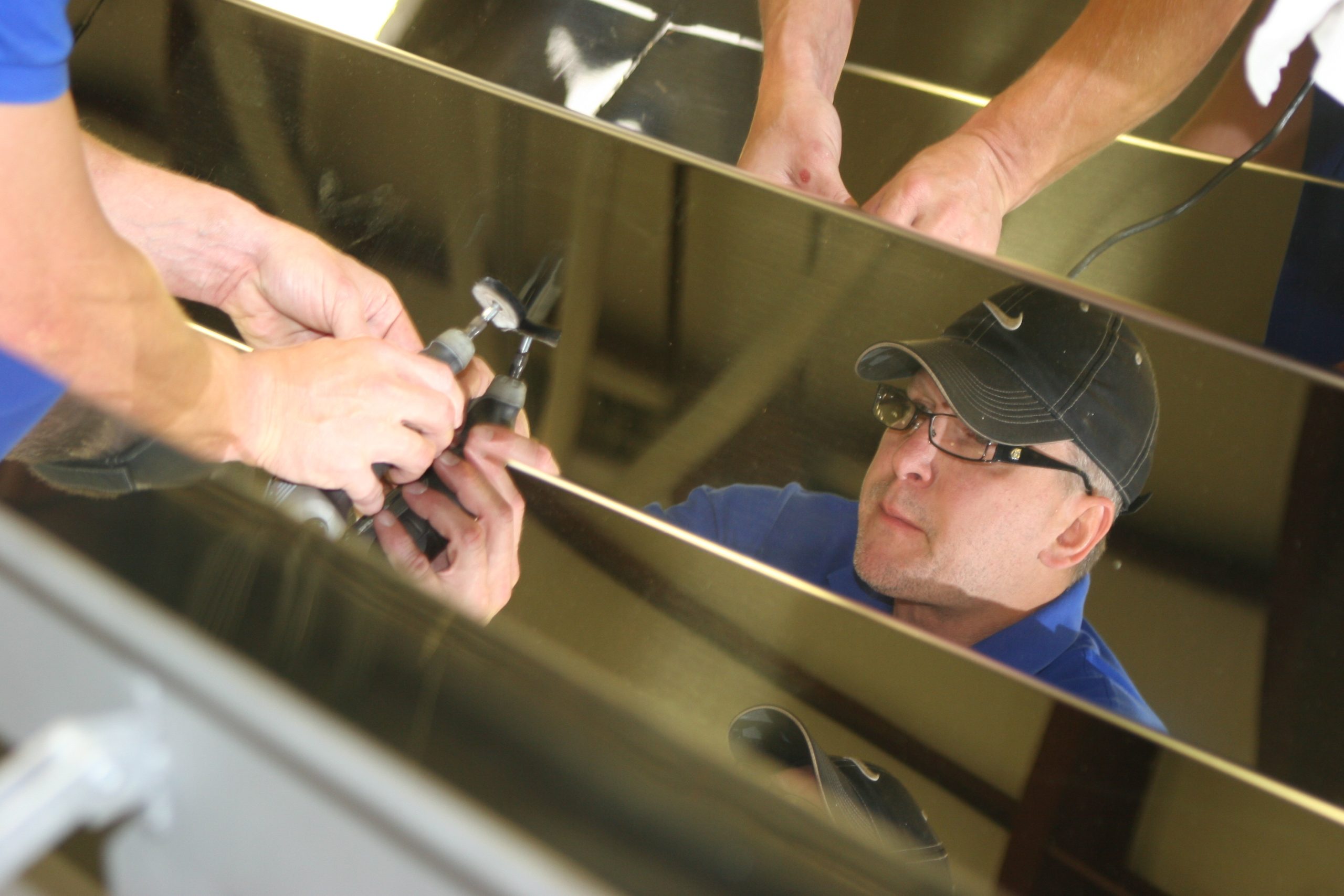
Press brake forming, tolerances, and finishing for formed metal parts.
View Articles →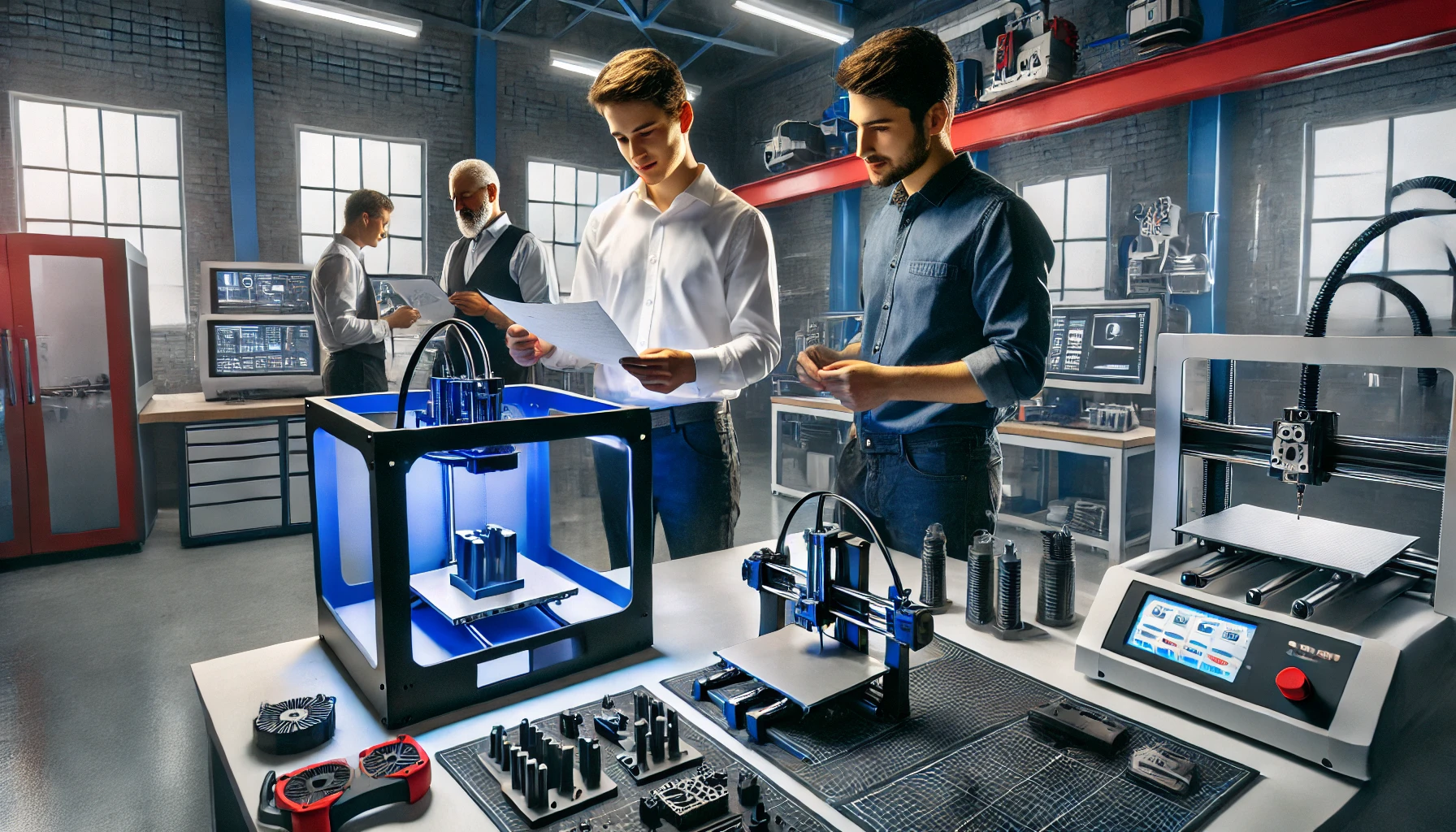
Getting from concept to a physical part fast, before committing to full production.
View Articles →
Welding processes, techniques, and what to know before a welded assembly goes into production.
View Articles →

Fun, hands-on engineering projects and ideas for curious minds of any age.
View Articles →New equipment, new capabilities, new projects — here's what we've been building lately.
View Articles →Get new articles on fabrication, welding, and manufacturing sent straight to your inbox.