WELDING
Welding processes, techniques, and what to know before a welded assembly goes into production.
Need a welded assembly built right the first time? See what our Custom Fabrication team can do, or keep exploring related articles below. Custom Fabrication
Choosing the Right Welding Process for Your Assembly
Specifying "weld here" on a drawing isn't enough. The type of welding process used drastically affects the strength, appearance, and cost of your final assembly. Understanding the differences helps you specify the right process for your project's requirements.
GMAW (MIG Welding)
Gas Metal Arc Welding is the workhorse of the fabrication industry. It's fast, efficient, and great for thicker materials and long, continuous welds. We typically use MIG for structural steel frames, heavy brackets, and general carbon steel fabrication where speed and strength are prioritized over perfect aesthetics.
GTAW (TIG Welding)
Gas Tungsten Arc Welding is slower but offers unmatched precision and cosmetic appearance. It's the go-to process for thin materials, stainless steel, and aluminum. If your part will be visible to the end-user or requires precise heat control to prevent warping, TIG is the correct specification.
Robotic Welding
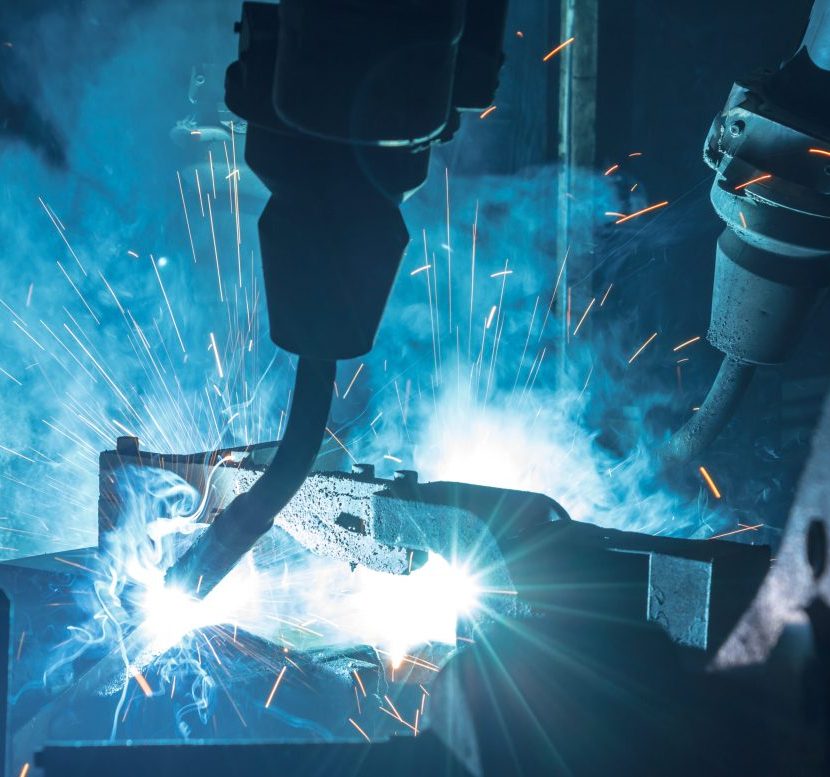
For high-volume production runs, our robotic weld cells provide perfect consistency and drastically reduced cycle times. Robotic welding requires precise part fit-up, so it's best suited for assemblies where the individual components are laser-cut or CNC-machined to tight tolerances.
Frequently Asked Questions
Explore Other Categories
Metal Fabrication
What it takes to design, quote, and build custom fabricated parts and assemblies.
View Articles →
Laser Cutting
How laser cutting works, what it's good for, and how to get the most out of it.
View Articles →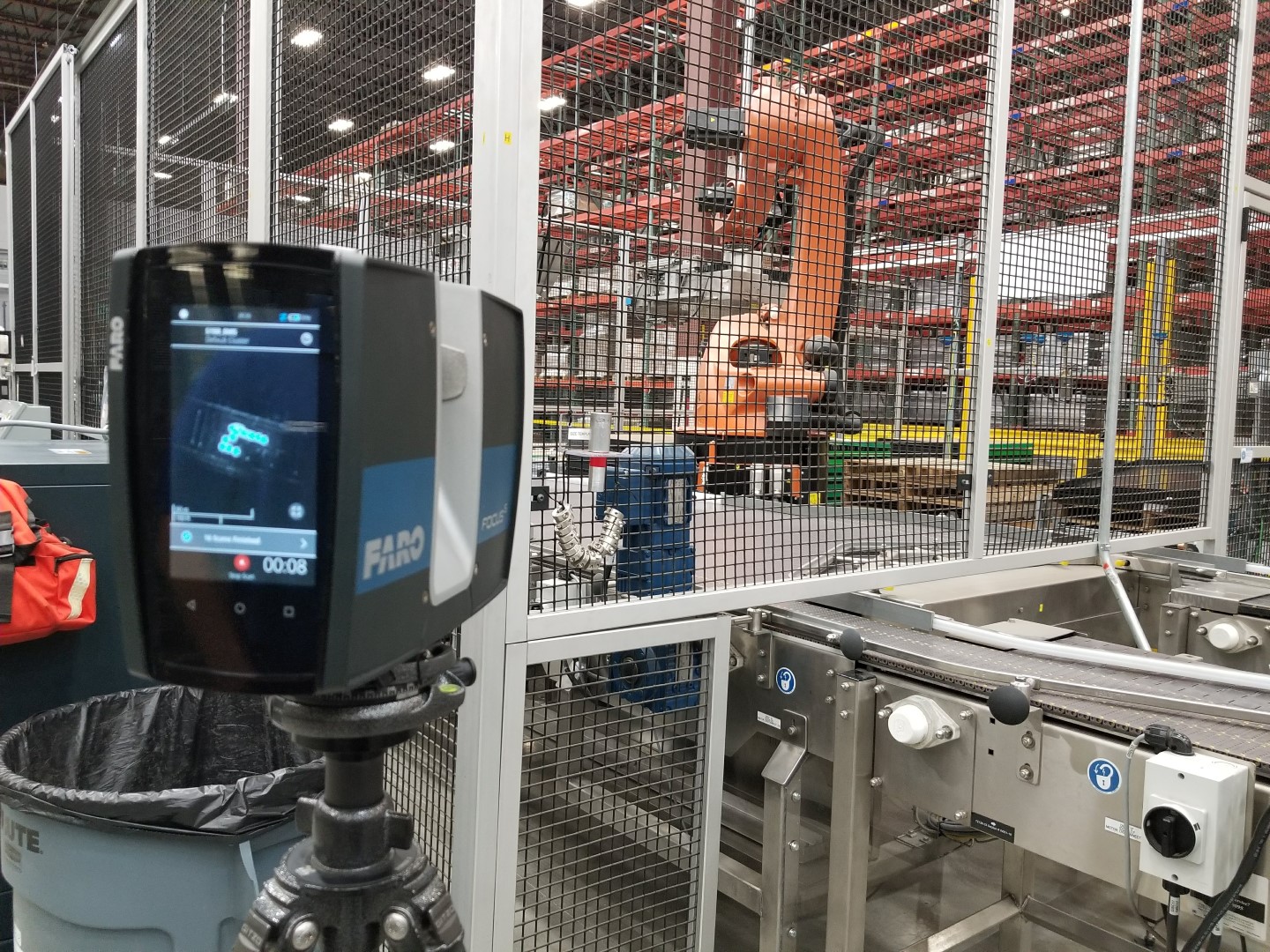
Reverse Engineering
Turning an existing part into usable data, drawings, and production-ready files.
View Articles →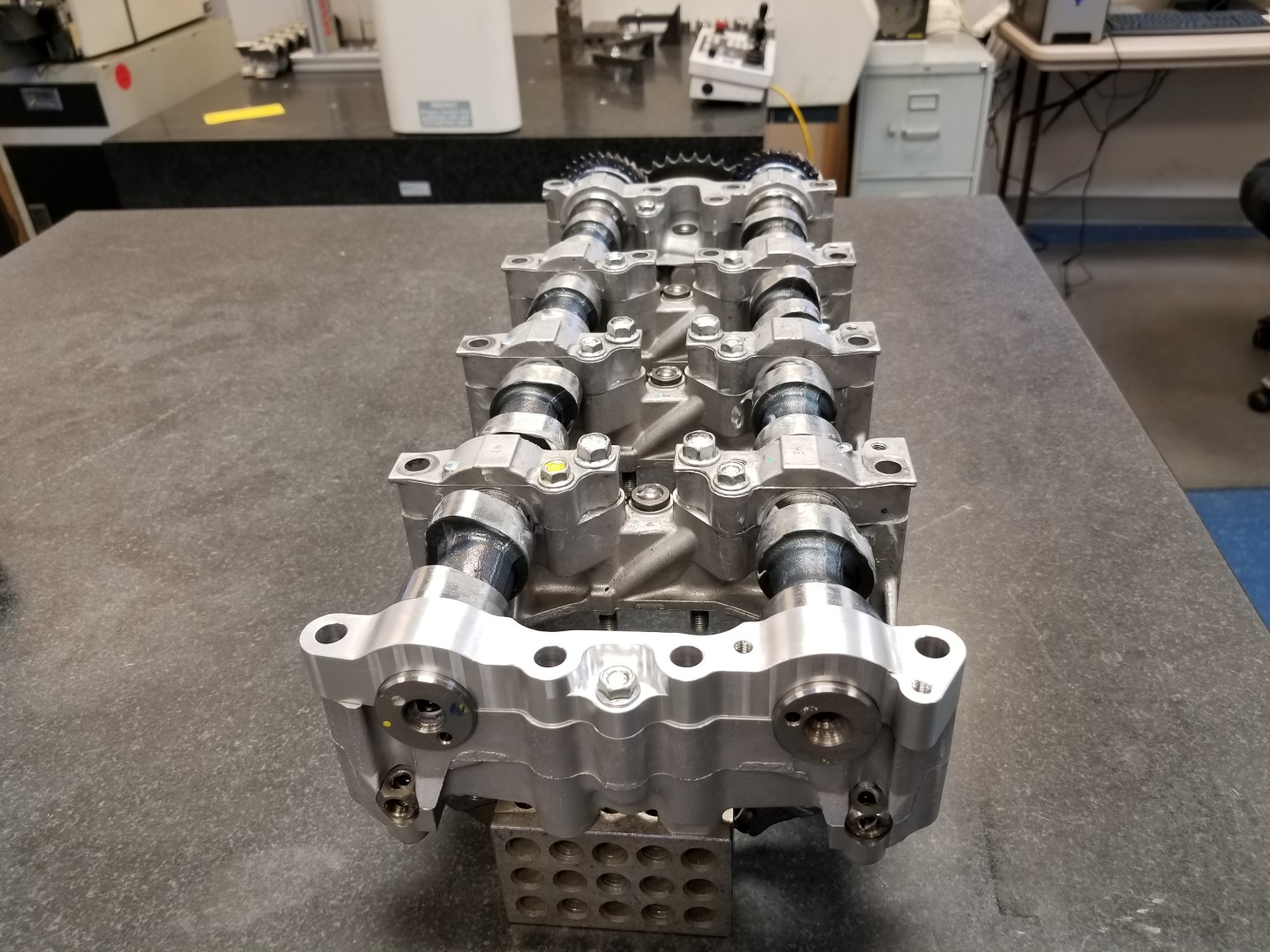
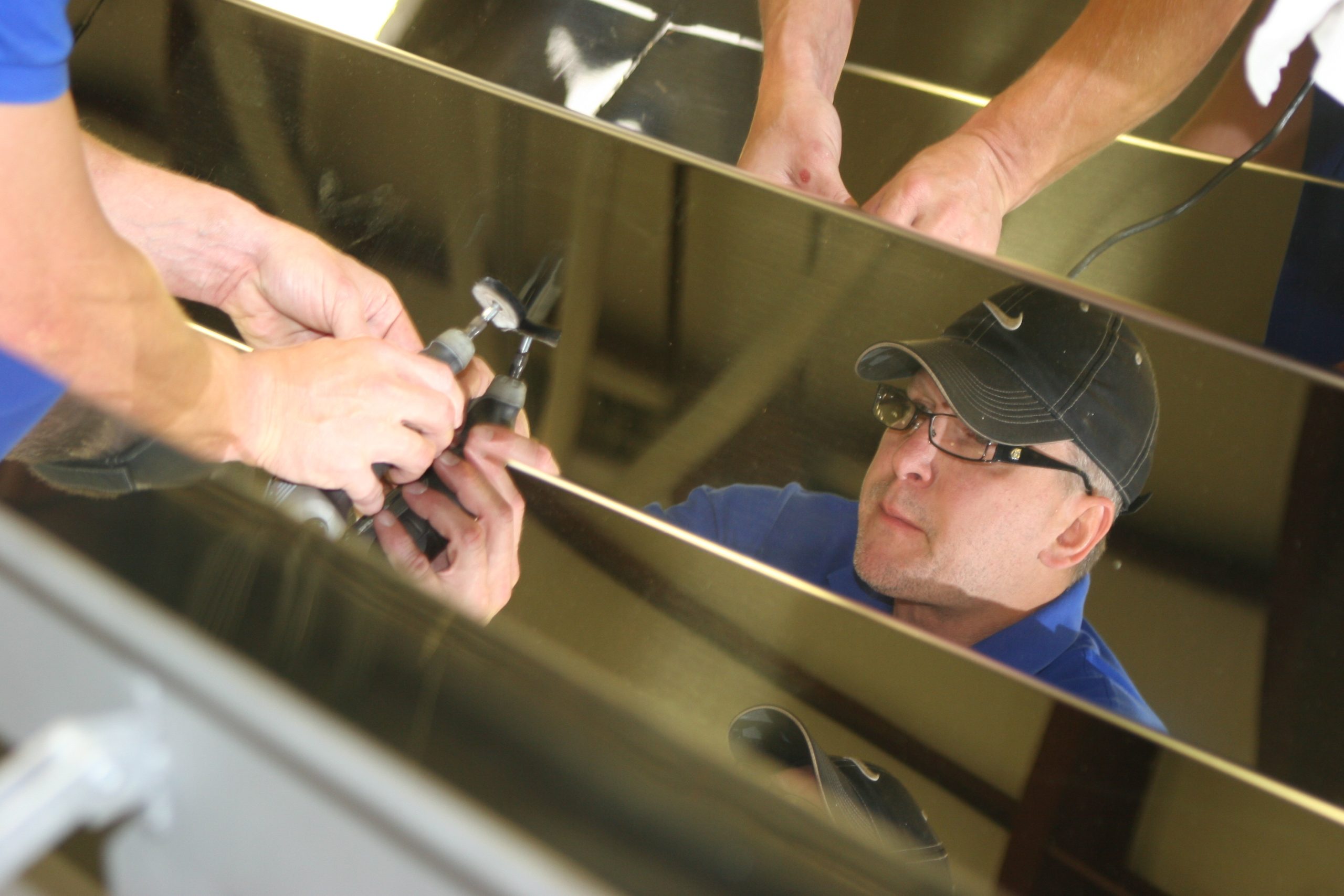
Precision Forming
Press brake forming, tolerances, and finishing for formed metal parts.
View Articles →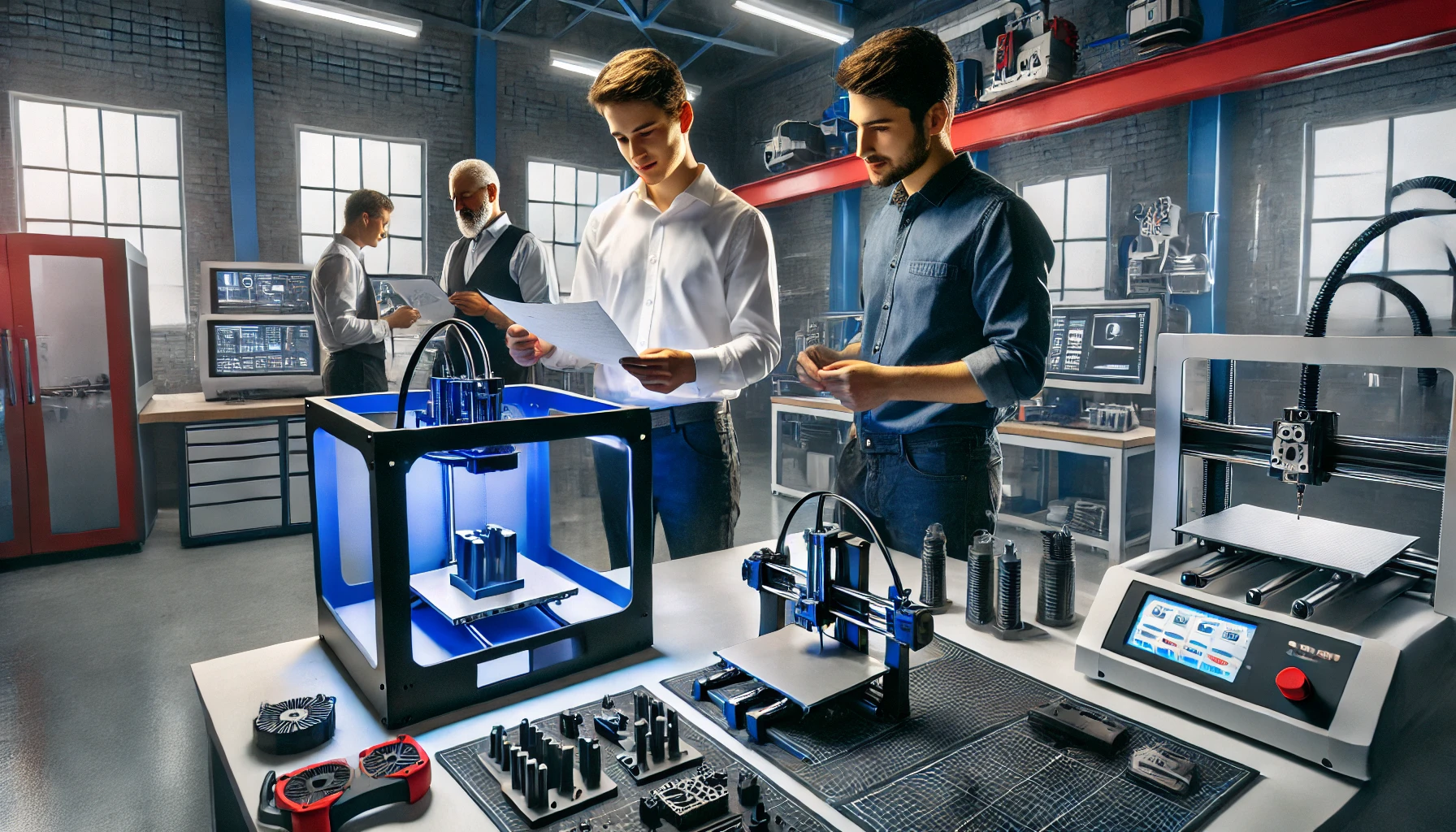
Rapid Prototyping
Getting from concept to a physical part fast, before committing to full production.
View Articles →
Engineering at Home
Fun, hands-on engineering projects and ideas for curious minds of any age.
View Articles →What's New
New equipment, new capabilities, new projects — here's what we've been building lately.
View Articles →Looking for something specific?
Stay in the Loop
Get new articles on fabrication, welding, and manufacturing sent straight to your inbox.