Do you want to know if you should invest in machine vision inspection technology for your manufacturing facility?
To answer your question, we need to define what machine vision inspection is, how it works, why you would want to use it, what your initial investment cost is, and how it pays for itself over time.
What is Machine Vision Inspection Technology?
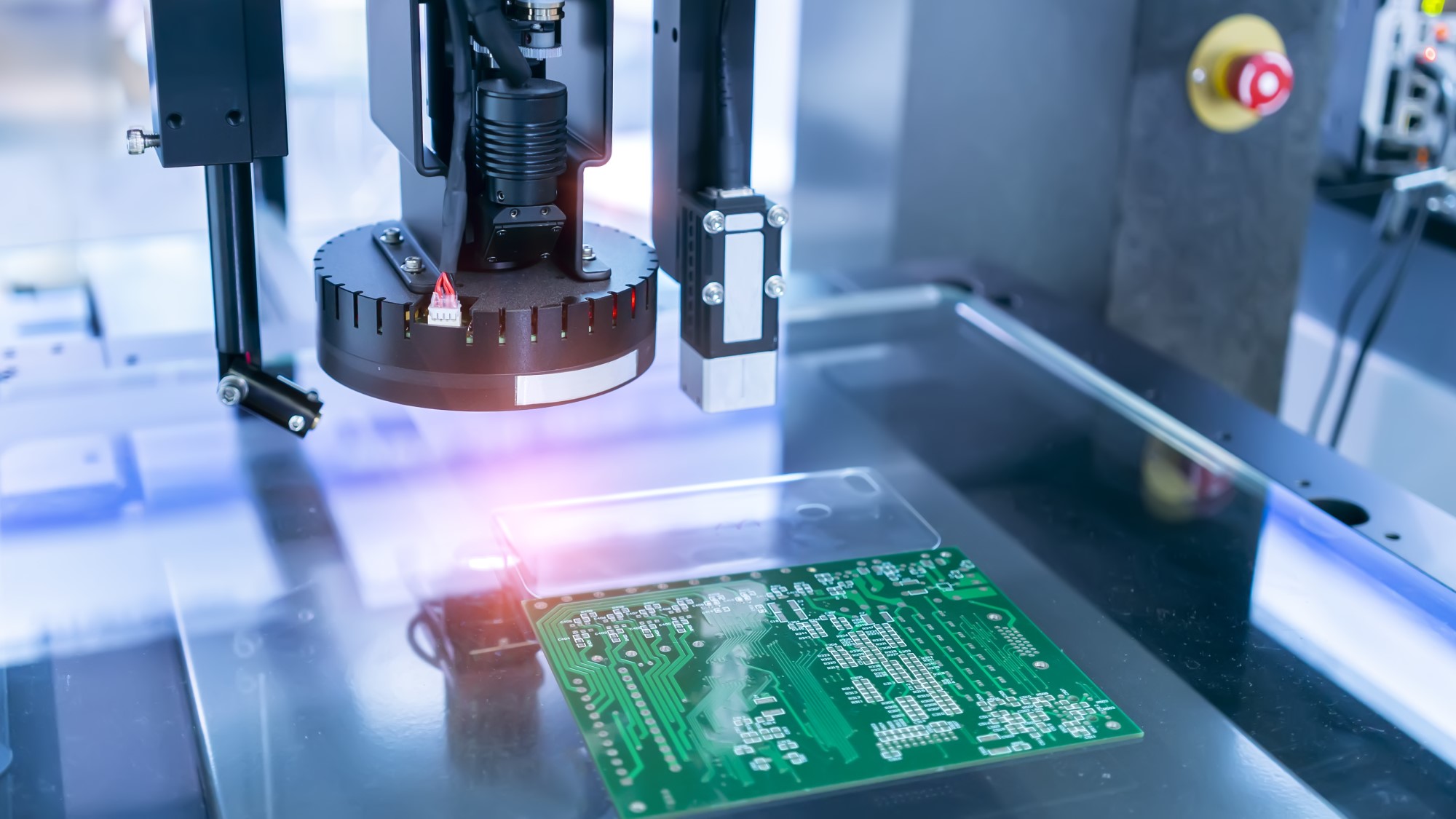
Machine vision inspection technology improves your facility’s quality control processes by utilizing cameras with image processing software to inspect parts for flaws or potential defects. When you invest in this technology, you’ll have fewer mistakes reaching your customers, and you can free up your engineers for more critical tasks or projects.
How Does It Work?
A complete machine vision inspection system has two key components: a camera equipped with a sensor to take photos for inspection, and a processing engine to analyze the photos.
During a product inspection, a sensor detects that the product is present and ready for inspection. The sensor triggers a light source to shine on the product and tells the camera to take a picture. A frame-grabber (digitizing device) translates the picture into digital information and stores it into the processing engine’s memory. After analysis, the computer determines if the product passes or fails inspection — if it fails, it triggers an alarm to alert an engineer.
What Are the Benefits?
A machine vision inspection system can:
- Visually sort, measure, and count parts
- Detect if a part is missing
- Check that parts are positioned correctly
- Read printed characters and barcodes
- Make decisions that trigger alarms or reject parts that don’t pass inspection
How Much Does It Cost?
Machine vision inspection systems cost an average of $35,000 — according to Imaging Tech Solutions. That amount includes everything you need to get your system up and running: hardware, software, and applications needed to integrate it with your assembly systems.
Although this initial investment may seem steep, the money you’ll save in labor costs and replacing faulty products will offset your upfront costs. You’ll need fewer workers to inspect parts, and you won’t need to refund customers for defective products that managed to pass human inspection.
Quick Recap
- How does it work? A camera equipped with sensors captures a photo that it sends to a processing engine for analysis, then communicates the results.
- What are the benefits? You’ll be able to inspect parts more efficiently, saving money on labor costs and freeing up engineers for more critical tasks.
- How much does it cost? The average system costs $35,000, but you’ll see a high return when counting the reduction in labor costs and refunds due to defective products.
At EMS, we understand how important it is for you to get the most up-to-date information fast. Subscribe to our newsletter now to have the latest industry news delivered right in your email inbox.

Jim Anderson
Engineered Mechanical Systems
Dedicated to precision, quality, and building lasting relationships through expert fabrication and machining since 1990.